
Sea Otter Awareness Week 2026: Where to See Sea Otters and How to Give Them Space
Documenting the places where people and wildlife meet.
Channel Islands Harbor, Oxnard, California • Published on September 21st, 2026
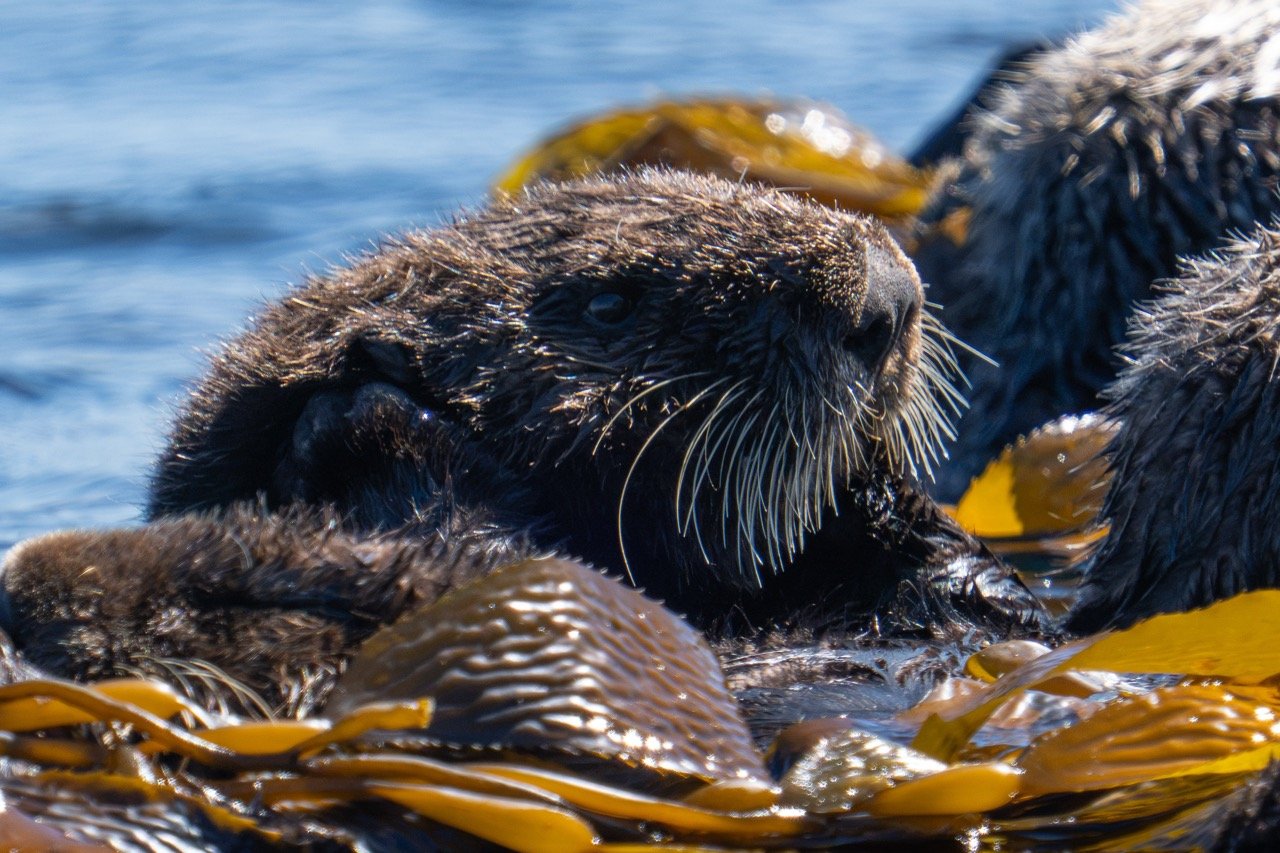
☀
☀
Equipment
To Admire from Afar requires a diverse set of tools. We utilize a specialized range of equipment tailored to the nuances of each environment, selecting each piece for its ability to document in the field with precision while maintaining a low-profile presence.
Browse the full kit on our Amazon storefront. It's new and I'm adding to it as I go. This is an affiliate storefront, we may earn a small commission at no extra cost to you.
-
Primary Systems:
Sony a1 II
Sony α6700
Olympus Tough TG-7
iPhone 17 Pro
DJI Action Pro 5
Insta 360 X5 -
Field Optics:
Sony 400-800mm f/6.3-8 G OSS FE Lens
Sony FE 200-600mm F5.6-6.3 G OSS Super Telephoto Zoom Lens
Sony Alpha 70-350mm F4.5-6.3 G OSS Super-Telephoto APS-C Lens
Sony FE 24-105mm F4 G OSS
Sigma 18-50mm f/2.8Equipment:
Sony FE 1.4X Teleconverter -
Whether we’re dockside or miles out at sea, these are the tools we rely on to keep the focus where it belongs.
Gear and Tech:
SIRUI P-325FS Monopod
SIRUI VA-5X Fluid Video
SmallRig HawkLock Quick Release Case
Peak Design Slide Camera Strap
INIU 140W Power Bank, 27000mAh
iShoot Replacement Lens Foot IS-THS260 for Sony FE 200-600mm
SMALLRIG Magnetic Metal Phone Mount with Cold Shoe Mount
SMALLRIG 9 in 1 CFexpress Type A Card Reader Docking Station
SmallRig x FILM RIOT 7-in-1 Folding Tool SetField Gear:
YETI 100L Panga Duffel
YETI 28L Panga Backpack
YETI 6L Dry Sidekick
YETI Large Rambler Bottle Sling
The North Face Recon Luxe Backpack
Therm-a-Rest Z Seat Cushion
Think Tank Emergency Rain Cover
LensCoat® Sony FE 200-600 G OSS
Grundens Deck-Boss Boots
Rooted in Resilience
Sea Otter Awareness Week happens the last full week of September every year, and the 2026 edition runs September 20 to 26 under the theme Rooted in Resilience, which celebrates sea otters' return from the brink of extinction and their connections to nearshore habitats, other wildlife, and people. It's organized by Defenders of Wildlife, Sea Otter Savvy, California State Parks, the Monterey Bay Aquarium, the Elakha Alliance, and The Marine Mammal Center, with zoos, aquariums, breweries, and universities hosting events from Portland down to Avila Beach.
Further down you'll find a map of this year's viewing stations and the full lineup, which includes livestreams you can join from anywhere if you're nowhere near the coast. If you're reading this after the week has passed, the list still works as a guide to who to follow, since most of these organizations come back every September.
My part in this year's Sea Otter Awareness Week has come from behind a desk as much as from behind the camera. The camera work came earlier, in the images I donated for the week. The desk work comes with my role as Sea Otter Savvy's Director of Marketing and Development, which I handle from my studio here at Channel Islands Harbor. Lately, that's meant setting up the organization's new shop on Bonfire. The team up north just moved into a new office on the island on Sandholdt Road in Moss Landing, right next to Monterey Bay Eco Tours.
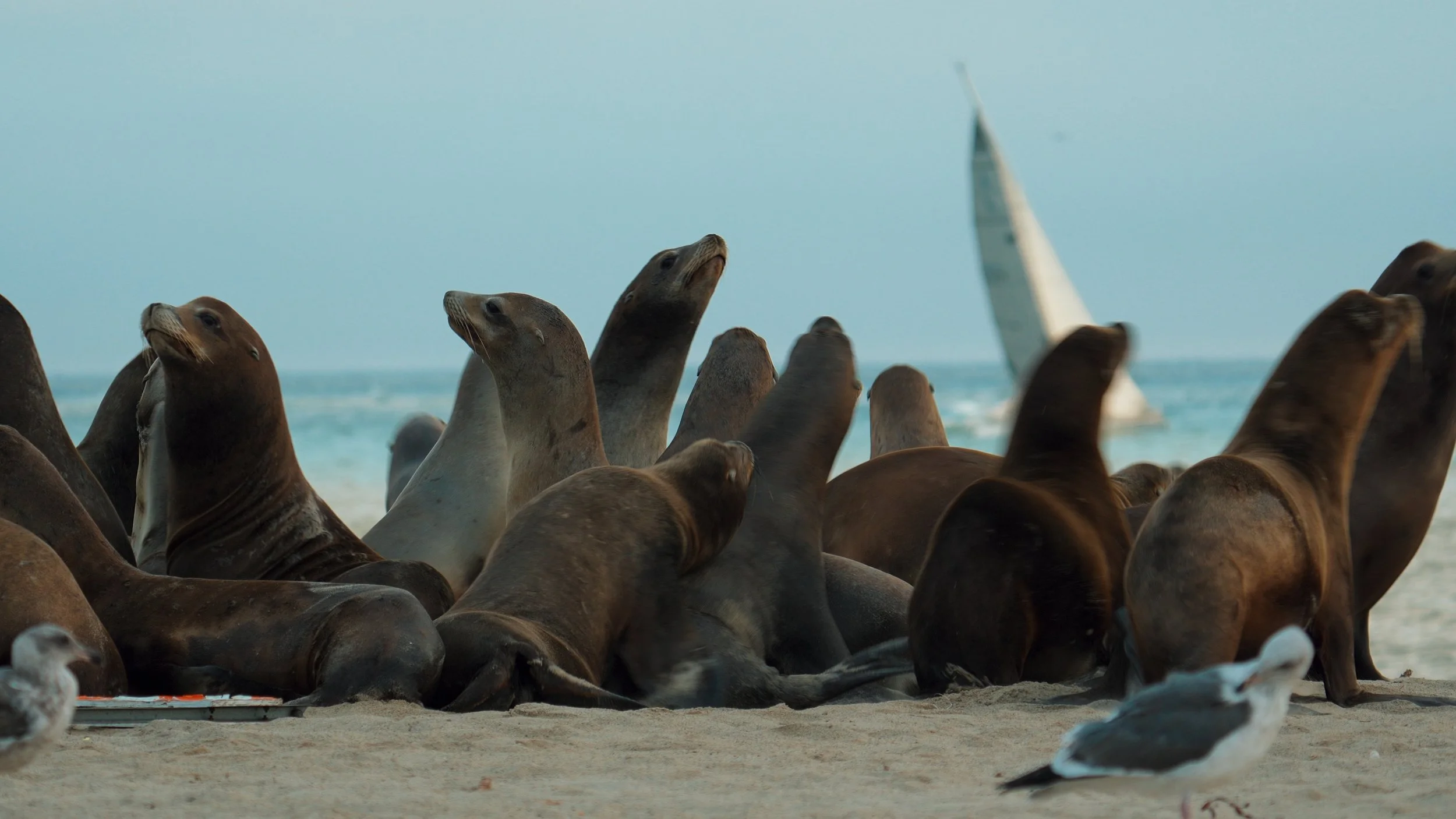
Closer to home, I've been working with a coalition of neighbors on protecting the harbor's sea lion colony, and volunteering with the International Wildlife Rehabilitation Council on the side. The fun news is that I picked up an OM System Tough TG-7 and started dock fouling, which means photographing everything that grows on the docks just below the waterline. Everything is incredibly alien and I’m a complete amateur when it comes to identification, but I feel like I have discovered a whole new world. When I'm not on the docks, I'm swimming out to kelp that's broken loose, drifting in the waves and… sitting down in the water with it, haha. I’ve been loving using the TG-7's microscope mode to see what's living on it without ever taking it out of the ocean. It feels like a fitting side project, since this year's theme is about sea otters and the nearshore habitats they're connected to.
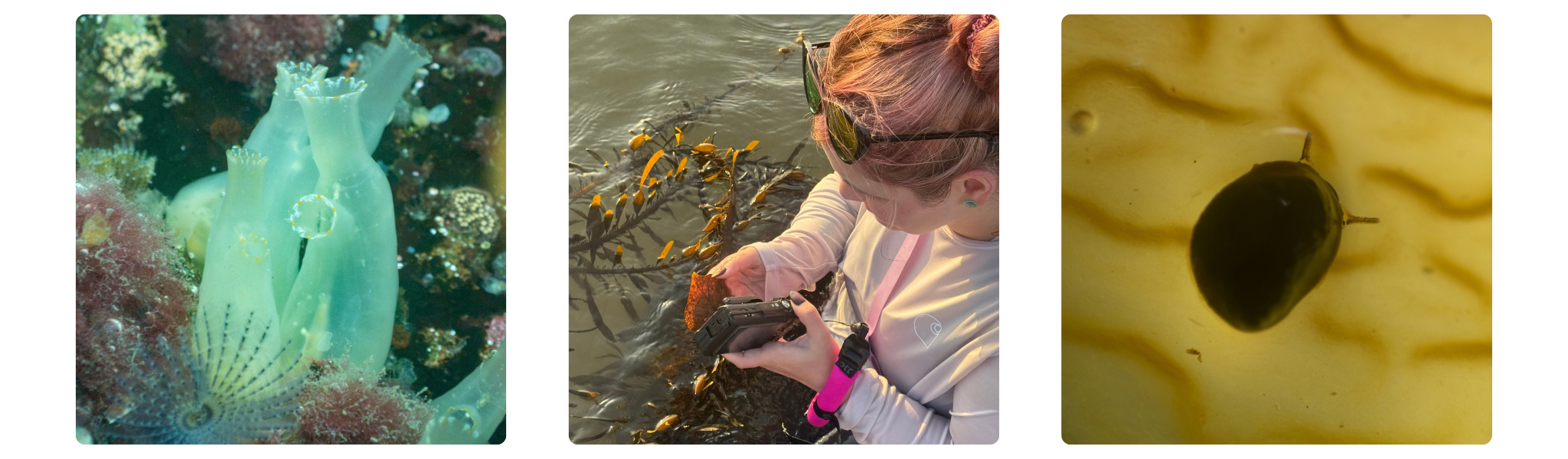
From left to right: translucent tunicates with frilled openings, Alexis sitting waist-deep with a mat of drift kelp and the TG-7, and a tiny snail on a kelp blade photographed in microscope mode.
Bringing Sea Otters Back
That return from the brink shows up across this year's lineup, along with a bigger conversation about bringing sea otters back to the places they've been missing from since the fur trade. The Lawrence Hall of Science event, which pairs Ohlone culture with sea otter recovery, notes that southern sea otters are still missing from Northern California, San Francisco Bay included. Every Oregon event is hosted by the Elakha Alliance, a nonprofit working to restore sea otters to the Oregon coast, and members of the Kashia Band of Pomo Indians are discussing their commitment to returning sea otters to coastal habitats. A Saturday session with Gena Bentall, Sea Otter Savvy's Executive Director, takes on the harder side of it, asking how the welfare of individual animals should factor into reintroduction decisions. Sea Otter Savvy is also collecting public input through a survey on reintroduction and recovery, linked at the end of this post.
From where I sit, Sea Otter Savvy belongs right at the start of that conversation. I see the organization's work as the first step in reintroduction: stepping into new coastal communities to teach proper viewing distances and certify local businesses through the Community Active Wildlife Stewards (CAWS) program. Having those guidelines in place sets coastal communities up to coexist with sea otters, starting from an understanding of what the animals need.
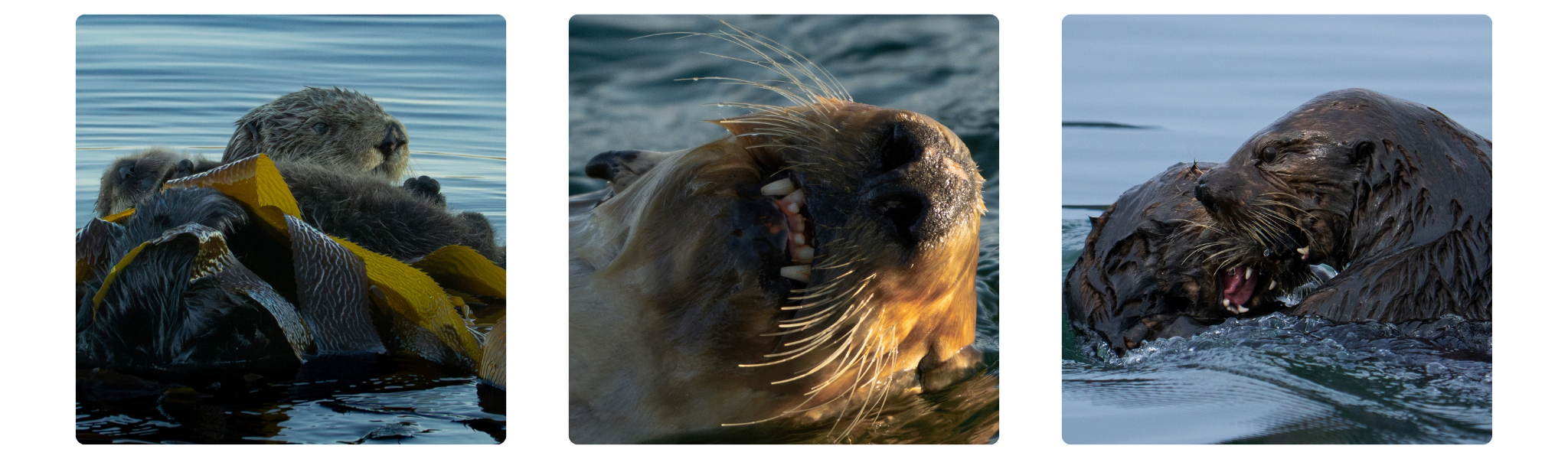
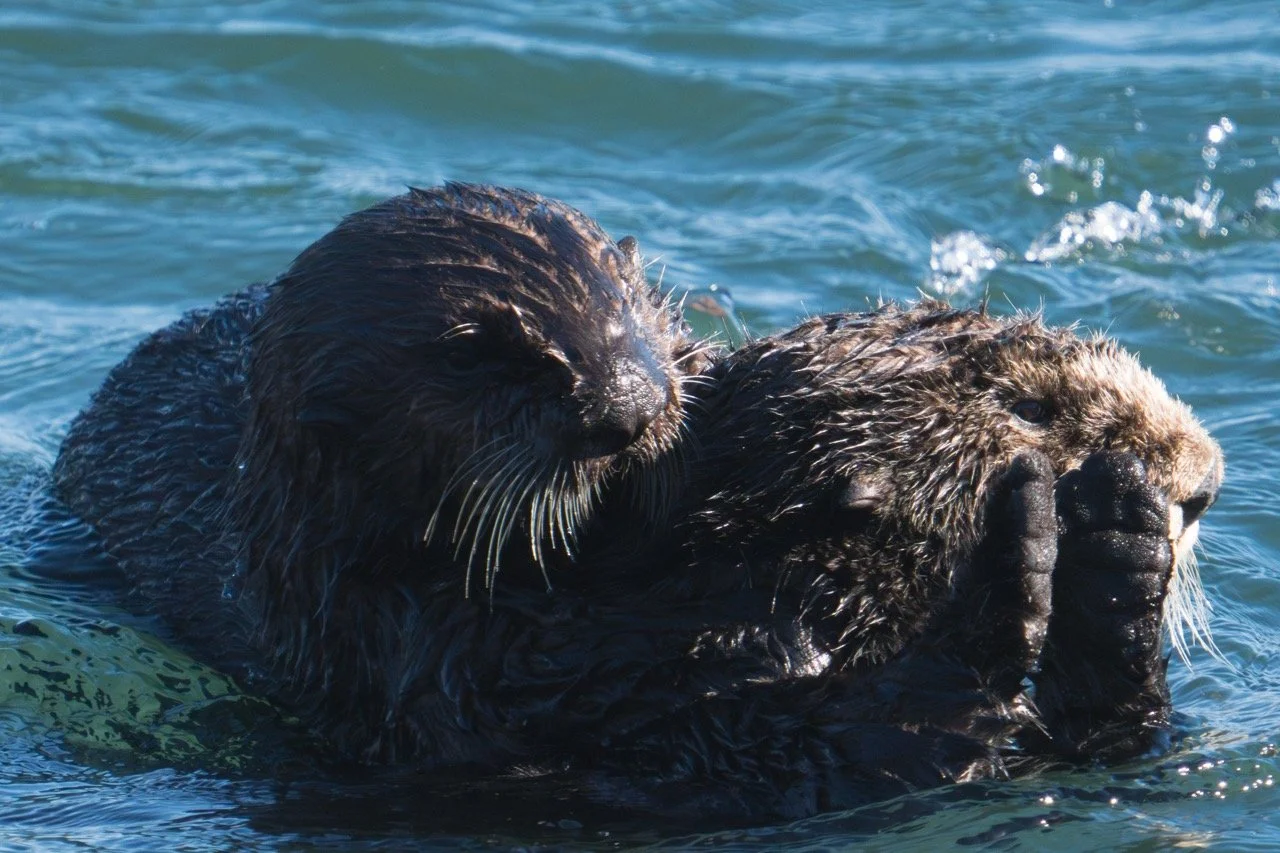
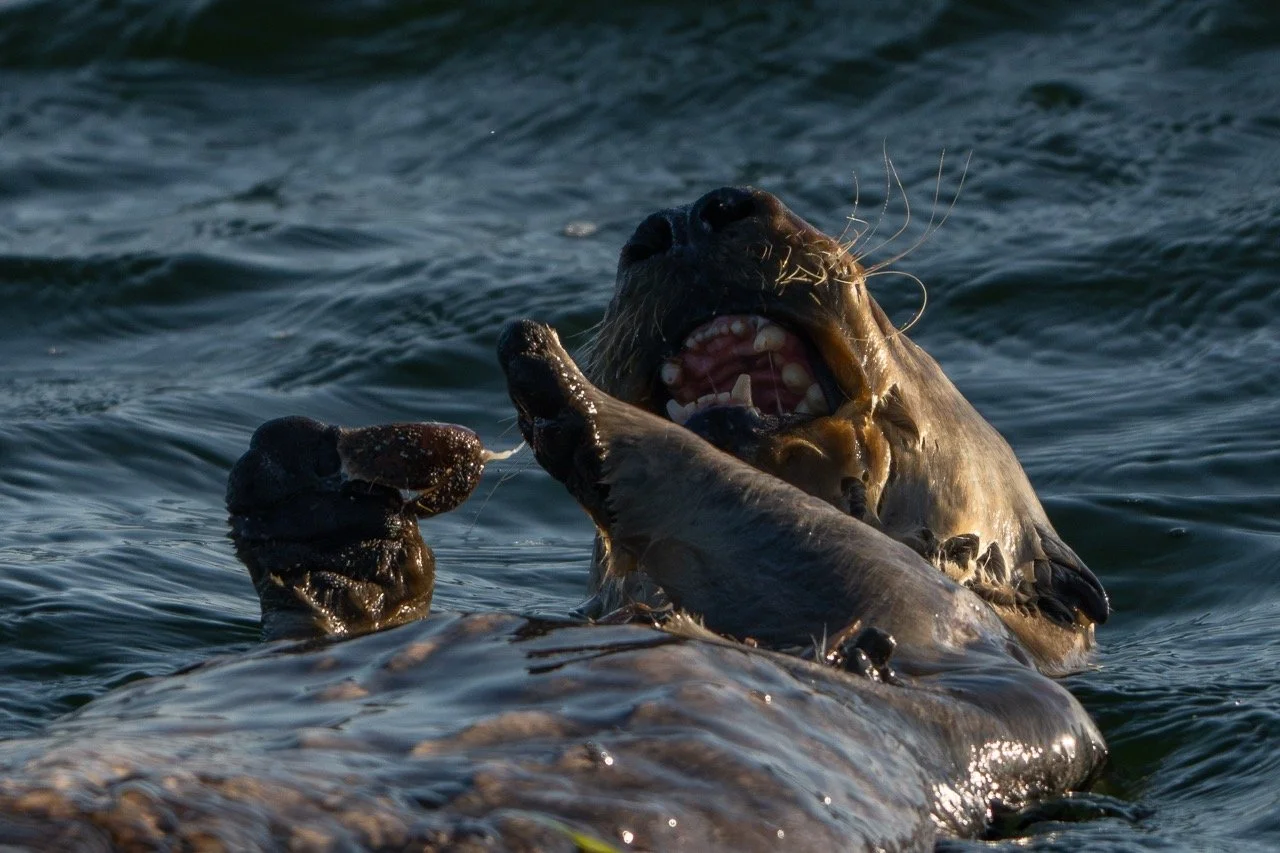
From left to right: a mother and pup floating together in the kelp, a backlit close-up of an otter tearing into its prey, and two sea otters grappling at the surface.
Before You Head Out
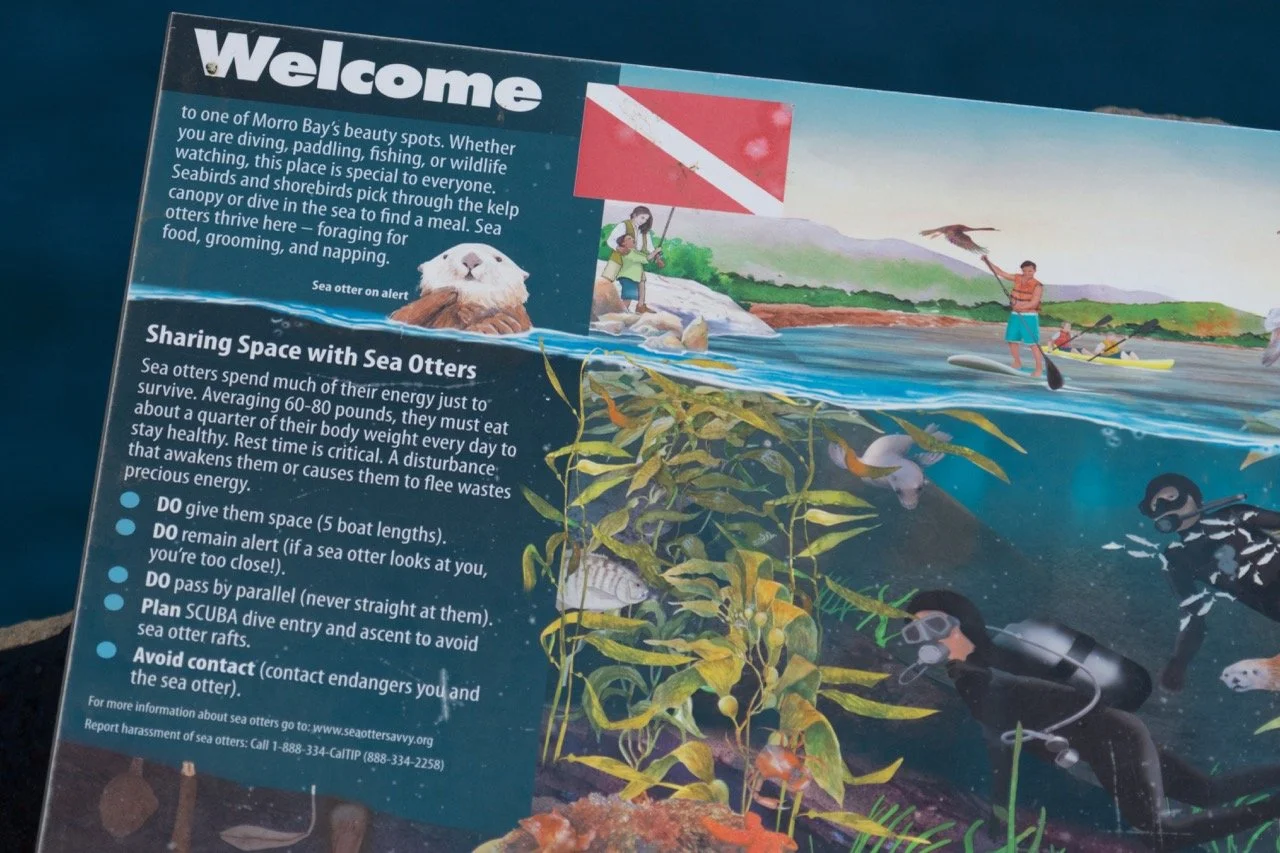
If this blog inspires you to go out looking for wild sea otters, distance is the part worth knowing before you go, because the science is specific. In a 2025 study in The Journal of Wildlife Management, led by Heather Barrett, Sea Otter Savvy's Science Communications Director, with Gena Bentall among the co-authors, the team's model suggests that on average, the likelihood of a group of sea otters being disturbed is "<10% when stimuli are >29 m away." The paper notes that this threshold varies by location, group size, and other factors. Based on how often and how strongly otters were disturbed at Cannery Row in Monterey, the authors estimated that energetic costs rose 7.2% for adult males, 5.4% for females, and 5.4% for females with large pups, with similar increases at the Moss Landing wildlife platform and the T-pier in Morro Bay.
Sea Otter Savvy's viewing guidelines turn that into something you can use in the field. If a sea otter looks at you, shifts position, or dives because of you, you're too close. Give them at least five kayak lengths of space, and don't approach head on or circle around them. One of the most essential tools for spotting otters in the wild is good optics, whether that's a monocular, binoculars, a long lens, or even your iPhone zoomed all the way in. You can still watch the small, intimate behaviors while leaving them plenty of room. Mothers and pups are especially vulnerable to disturbance, and even brief interruptions can have serious consequences for their survival.
The story I'm after is what sea otters do when they believe they're alone. That story only exists at a distance, which makes distance part of the craft.
Sea Otter Awareness Week 2026 Viewing Stations and Events
The map below shows this year's Sea Otter Savvy viewing stations. At each station, volunteers set up binoculars and spotting scopes to help you find sea otters and answer your questions about them. Look for the official Sea Otter Awareness Week sign to know you're in the right spot, and tap any icon on the map for a photo of the site and the hours volunteers will be there.
-
Berkeley, September 20. Sea Otters and Their Cultural Significance to the Ohlone Peoples at The Lawrence Hall of Science. Vincent Medina and Louis Trevino of Cafe Ohlone join Heather Barrett of Sea Otter Savvy for stories about sea otters in Ohlone culture and ways to support their recovery and coexistence.
Marina, September 24, 11:30 AM to 1:30 PM. Otter Thursday at CSU Monterey Bay, whose mascot happens to be the Otters. The Delta Omega Rho Multicultural Sorority and Sea Otter Savvy share a table at the Student Union's Main Quad Plaza.
San Luis Obispo, September 24, 6 PM. Sea Otter Trivia Night at Oak and Otter Brewing Co., hosted by Sea Otter Savvy. Entry is $5 per person, and part of the day's food sales goes to SOS.
San Francisco, September 24, 6 to 8 PM. Sea Otter Savvy at the K-Pop edition of California Academy of Sciences NightLife (21+).
Sausalito, September 27, 10:30 AM, noon, and 2 PM. Marine Science Sunday: Sea Otter Spectacular at The Marine Mammal Center. Each 30-minute session covers sea otter recovery, with a local artist on hand. Reservations required.
Avila Beach, September 29, 5:30 to 8 PM. Science after Dark at the Central Coast Aquarium, co-hosted with Sea Otter Savvy. Cal Poly students led by Morgan Martinez present their research on sea otters in Morro Bay. Tickets are $30, or $20 for students.
-
All Oregon events are hosted by the Elakha Alliance, the nonprofit working to restore sea otters to the Oregon coast.
Portland, September 20. Sea otter viewing station at the Oregon Zoo, next to the sea otter exhibit.
Portland, September 20 and 23. Sea Otter Sip & Paint fundraisers at Fullerton Wines, led by artist and Oregon Zoo marine life keeper Megan Tate Hagedorn. Reserve for the 23rd, 6 to 8 PM.
Eugene, September 22, 5 to 8 PM. Sea Otter Pint Night at Claim 52 Brewing, with a dollar from every pint that day donated to Elakha.
Newport, September 24, 6 to 8 PM. Sea Otter Bingo at Claim 52 Brewing Newport, open to all ages.
Newport, September 26, 10 AM to 4 PM. Sea otter viewing station at the Oregon Coast Aquarium, next to the sea otter exhibit.
Portland, September 26, 11 AM to 5 PM. Sea Otter Extravaganza at the Portland Aquarium with Mike Bennett Studios, featuring marine biologists and a day of family programming.
-
All virtual sessions run noon to 1 PM Pacific.
September 21. Marine Mammal Monday: Sea Otters!, a kid-friendly session from The Marine Mammal Center with Sea Otter Savvy on YouTube Live.
September 22. Float Down the Coast on Zoom, a virtual trip southward along the Pacific coast through places with and without wild sea otters. Hosted by Sea Otter Savvy with the Elakha Alliance, Defenders of Wildlife, the Monterey Bay Aquarium, and California State Parks.
September 23. The Kashia and Sea Otters, hosted by the Marine Conservation Institute. Members of the Kashia Band of Pomo Indians discuss their marine conservation programs and their commitment to returning sea otters to coastal habitats.
September 25. An Artist's Journey into Sea Otter and Kelp Forest Storytelling on YouTube Live, hosted by San Diego Zoo Wildlife Alliance and Sea Otter Savvy. Photographer and author Josie Iselin walks through her kelp and seaweed artwork and her book, The Mysterious World of Bull Kelp.
September 26. Saving Many, Protecting One: Animal Welfare and the Ethical Considerations of Sea Otter Reintroduction, hosted by Defenders of Wildlife and Sea Otter Savvy. Gena Bentall of SOS and Andy Johnson of Defenders discuss how the welfare of individual animals should factor into reintroduction decisions. RSVP required.
-
For a year-round look at the places tied to California's sea otter recovery, Defenders of Wildlife's StoryMap The Extraordinary Sea Otter is worth an afternoon.
Sea otter cams you can watch any time: Monterey Bay Aquarium · Oregon Coast Aquarium · Seattle Aquarium · Vancouver Aquarium · Georgia Aquarium · Detroit Zoo
If you want to do something for sea otters after this week, the easiest place to start is Sea Otter Savvy's survey on sea otter reintroduction and recovery, which is open to the public. If you’d like to go further, you can also purchase official Sea Otter Awareness Week 2026 swag from the store or donate directly.

Gallery
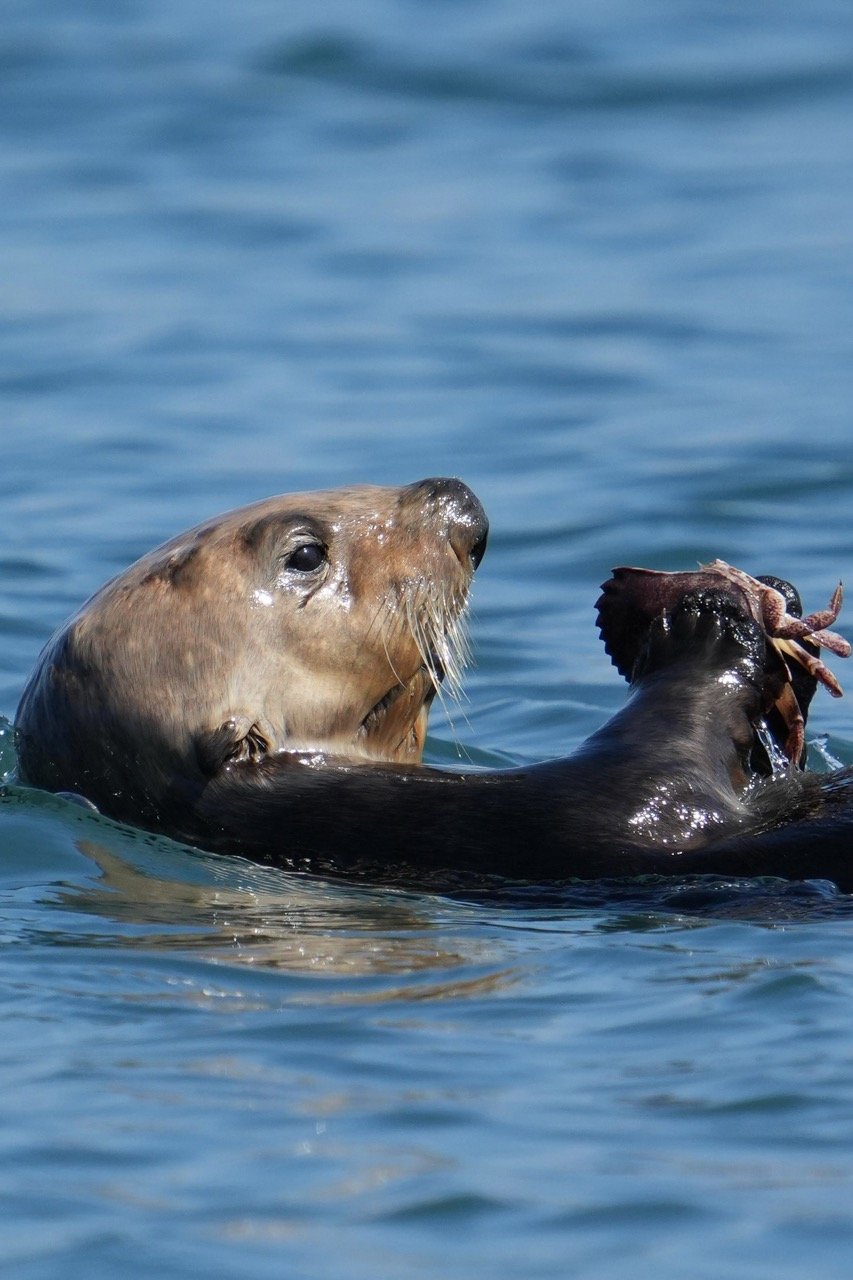
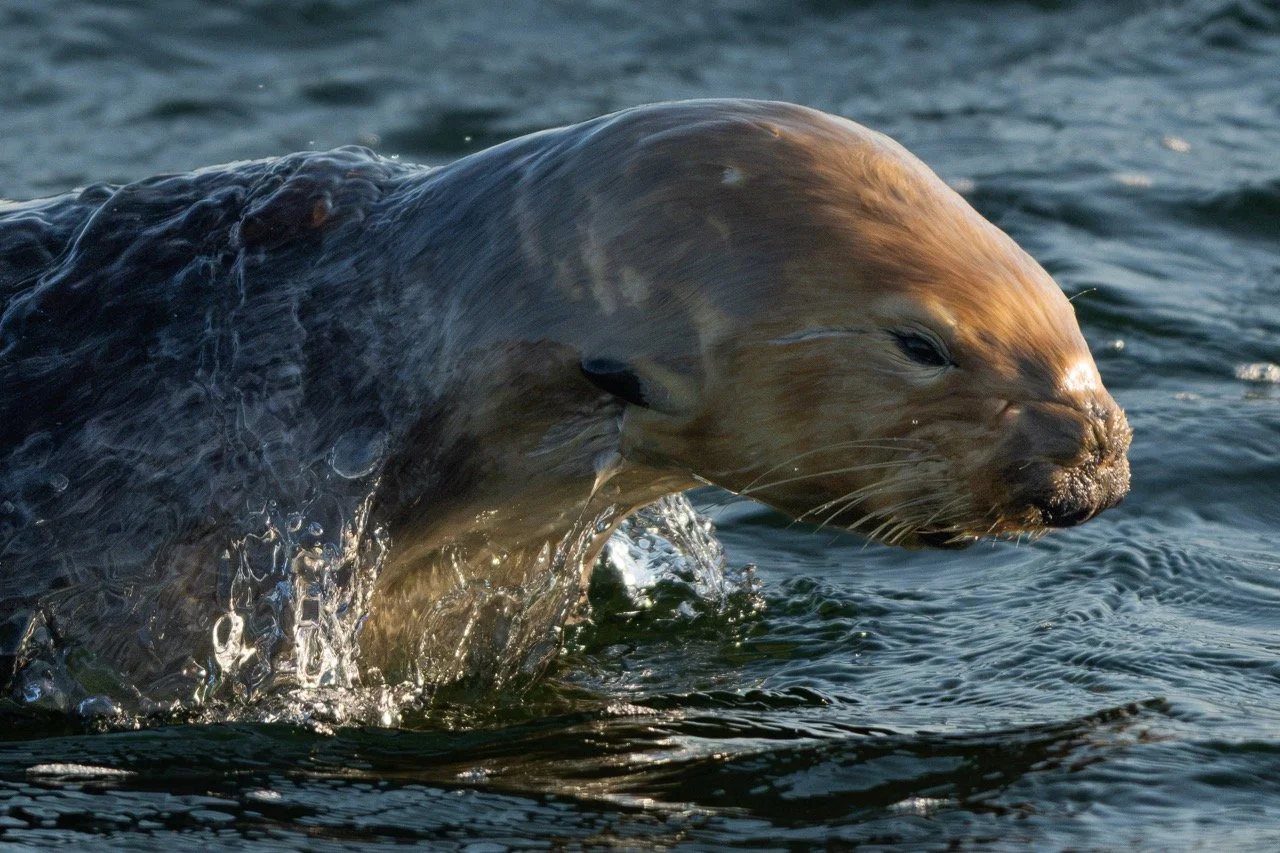
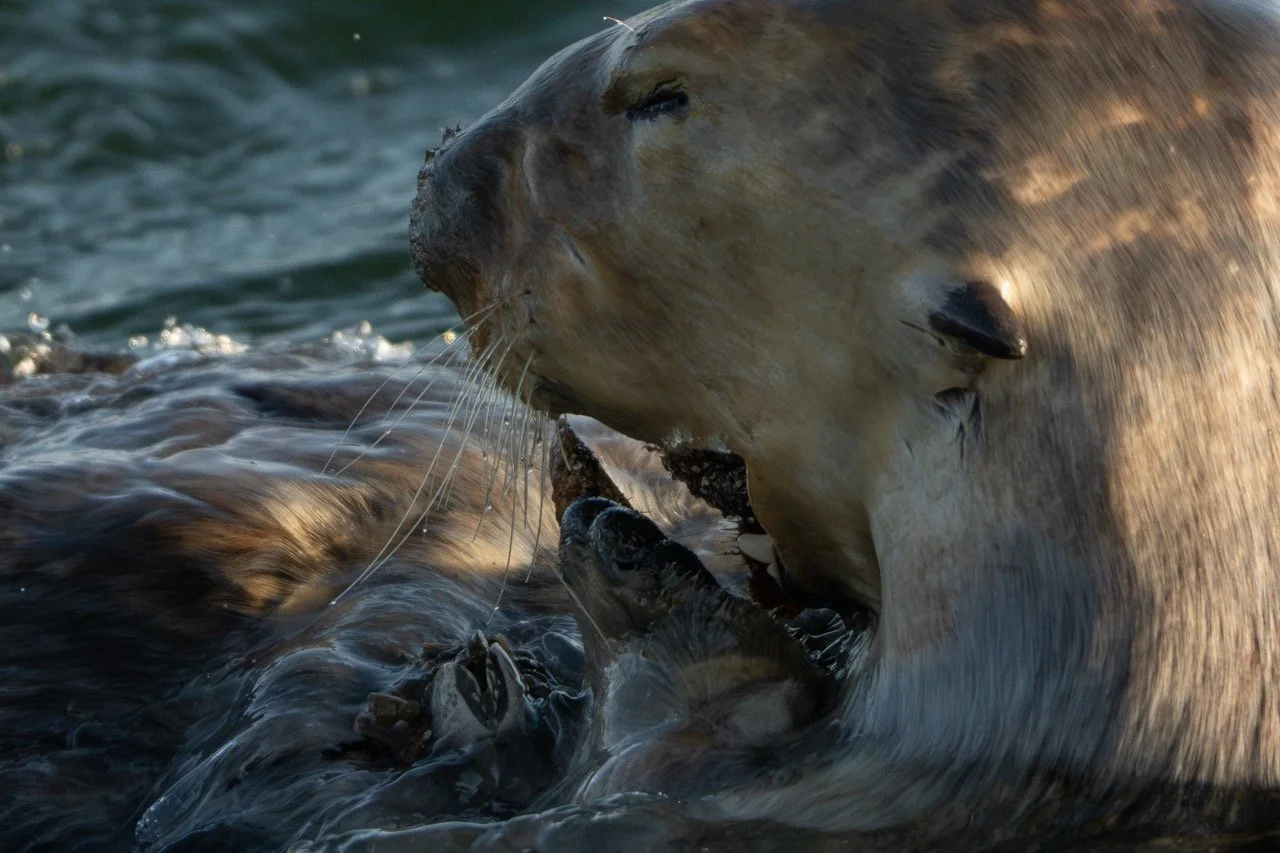
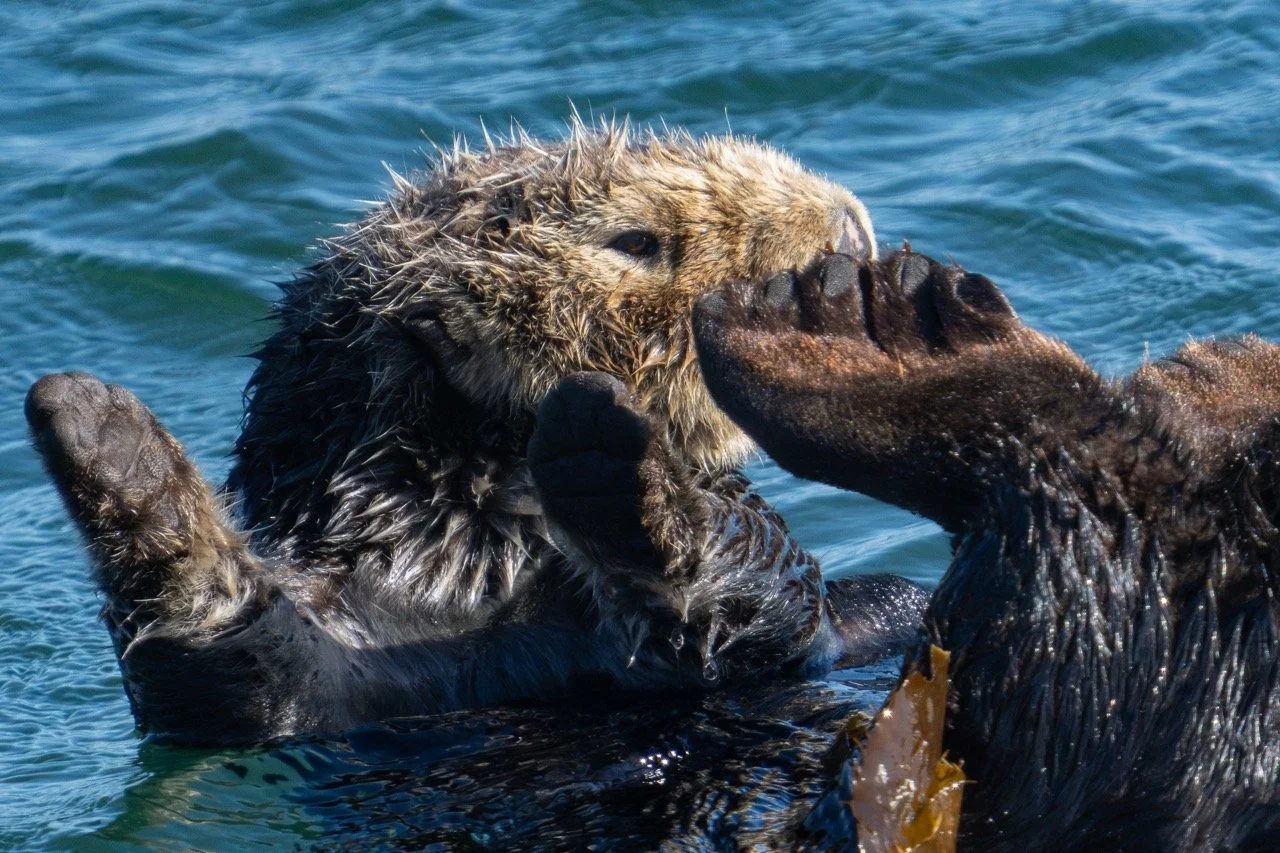
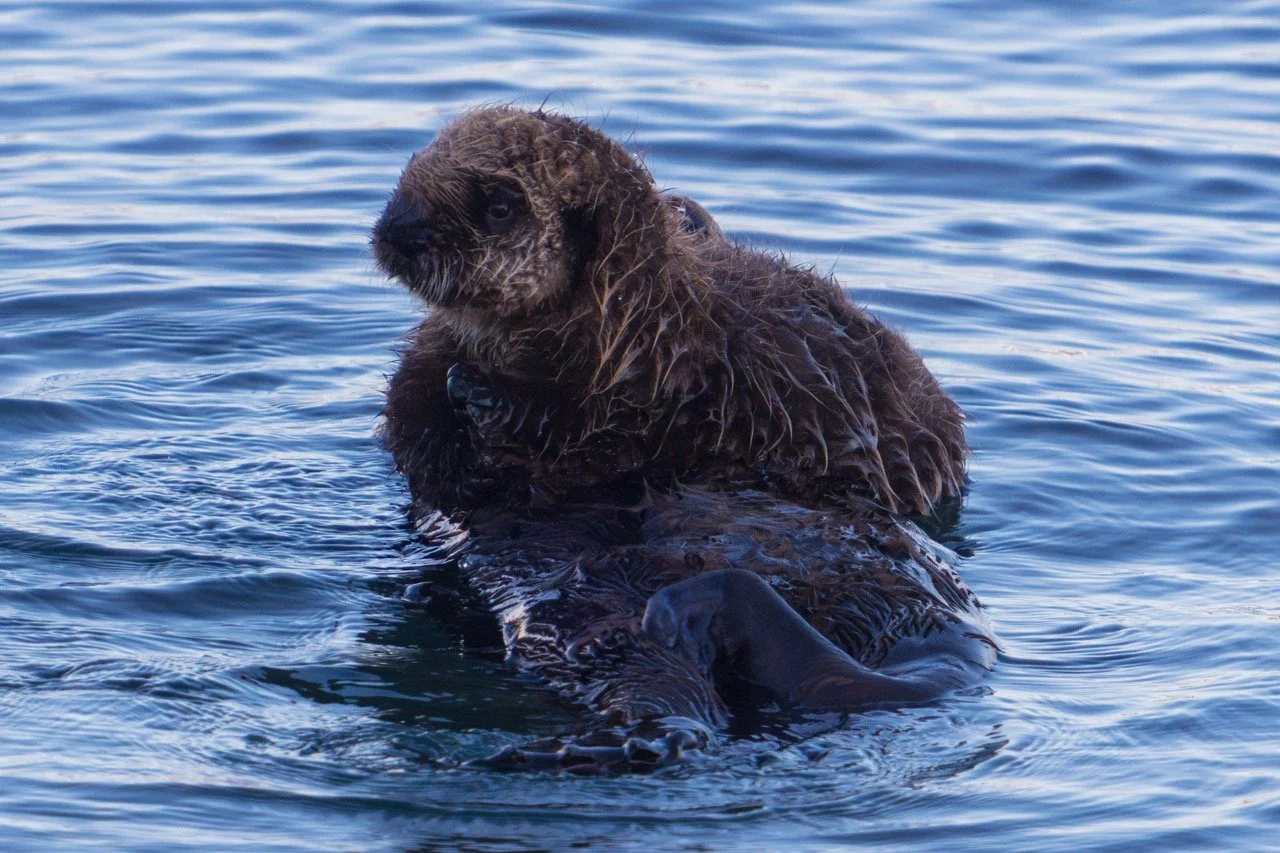
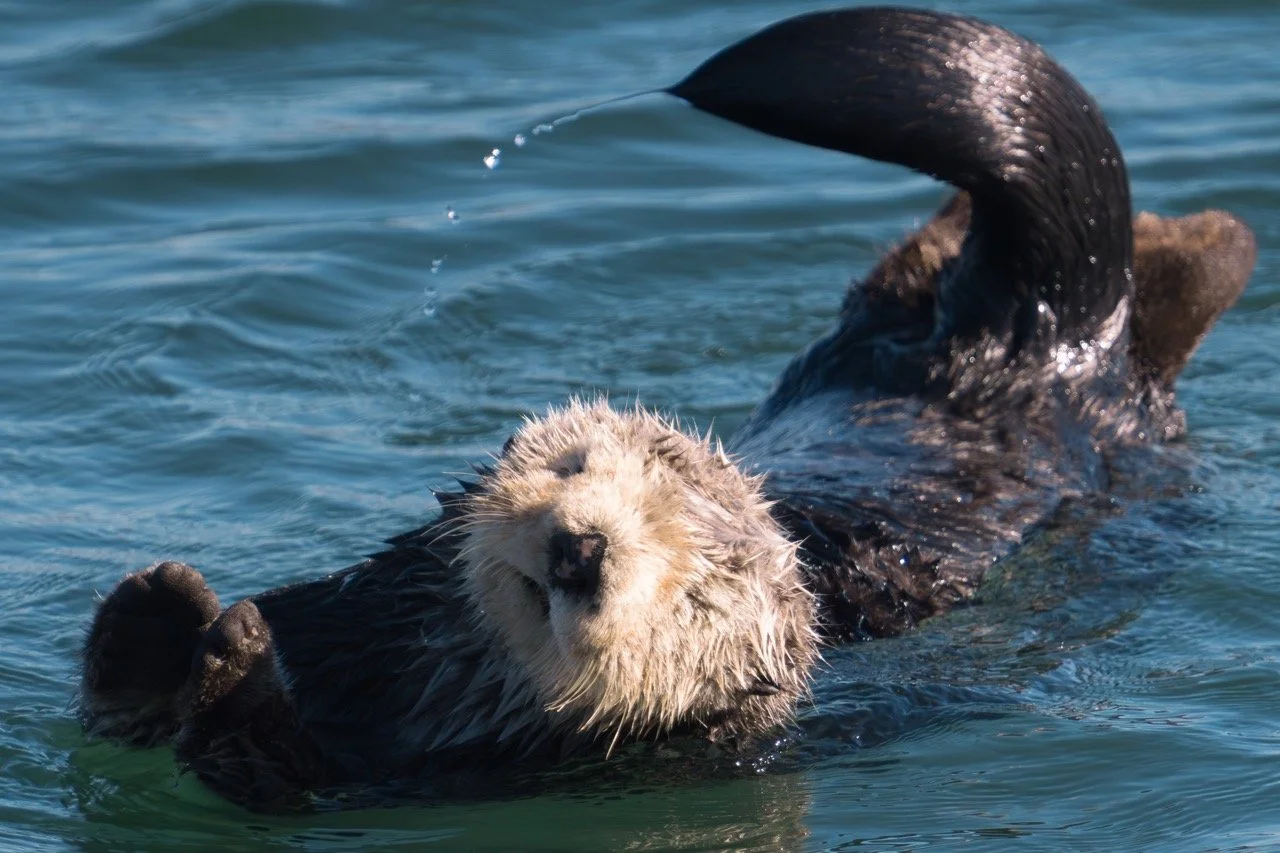
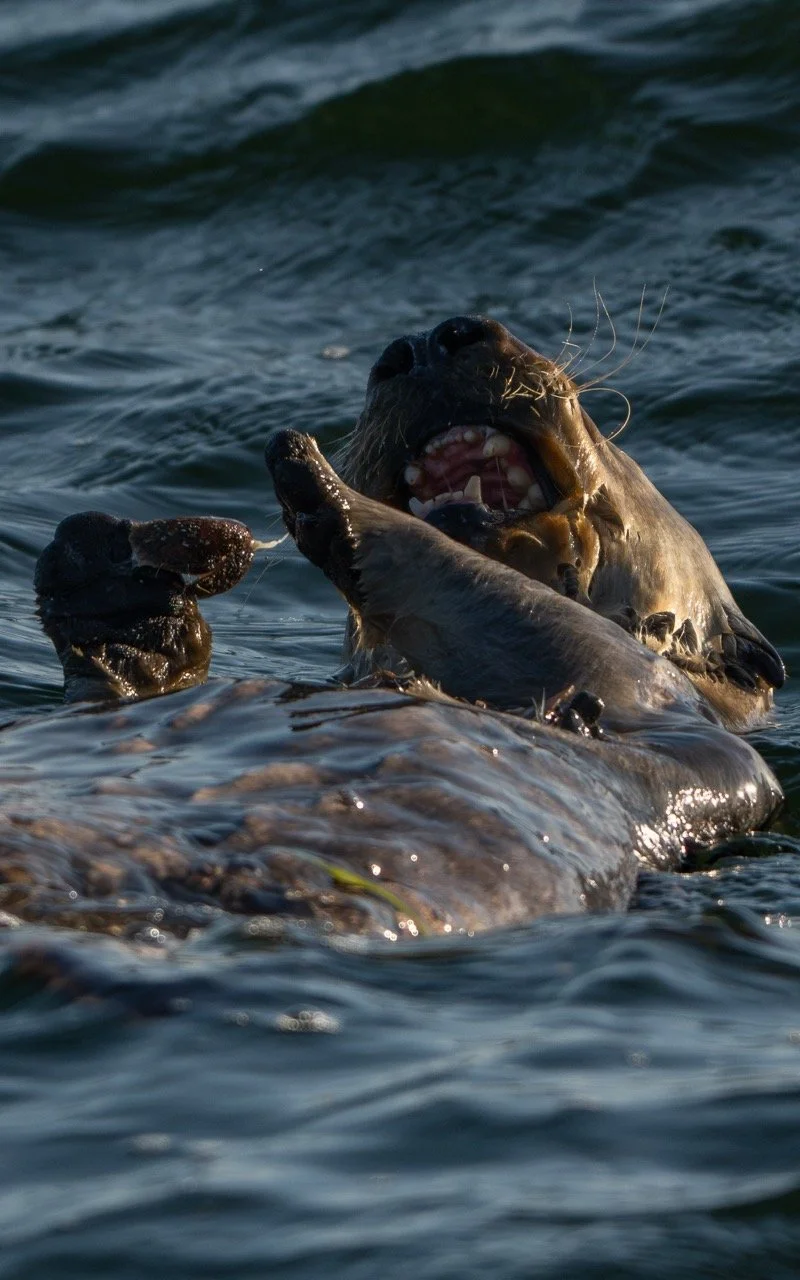
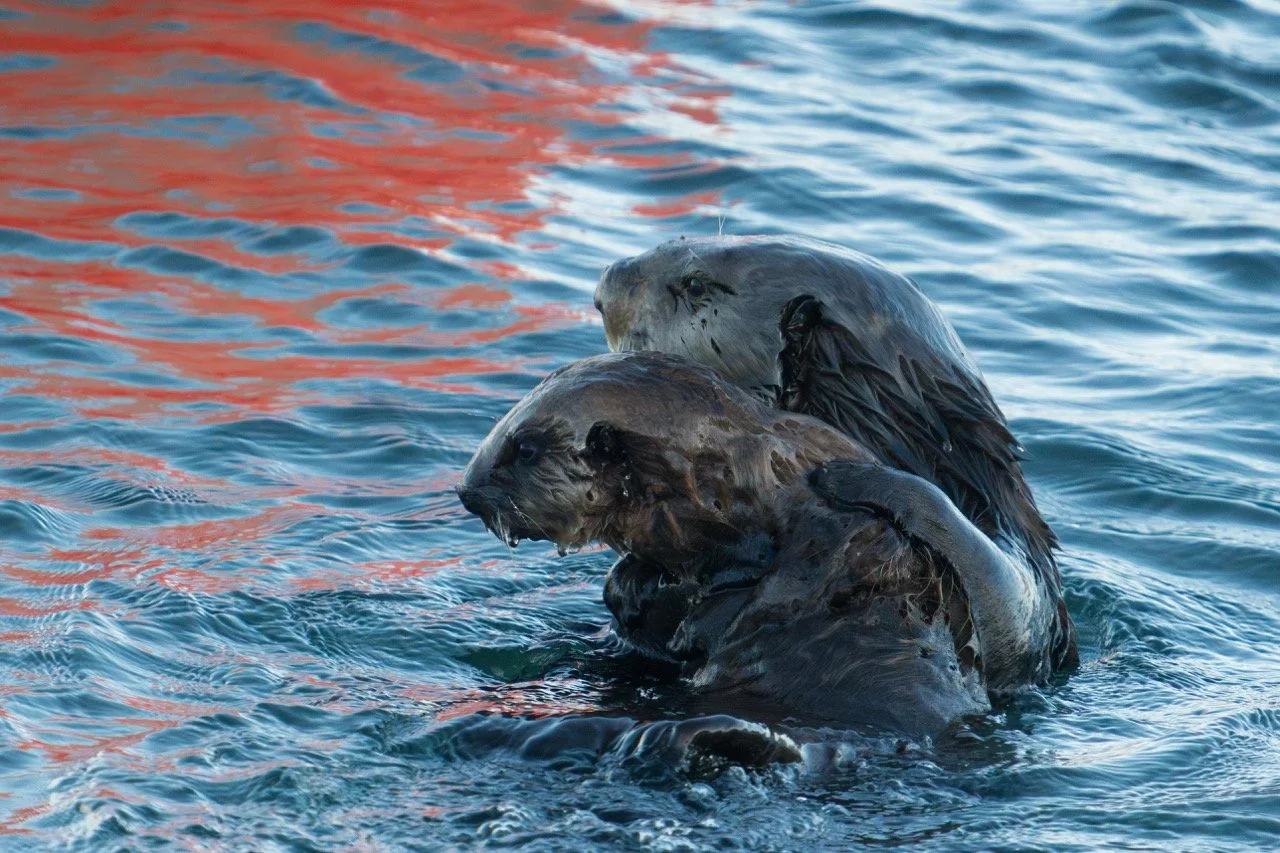
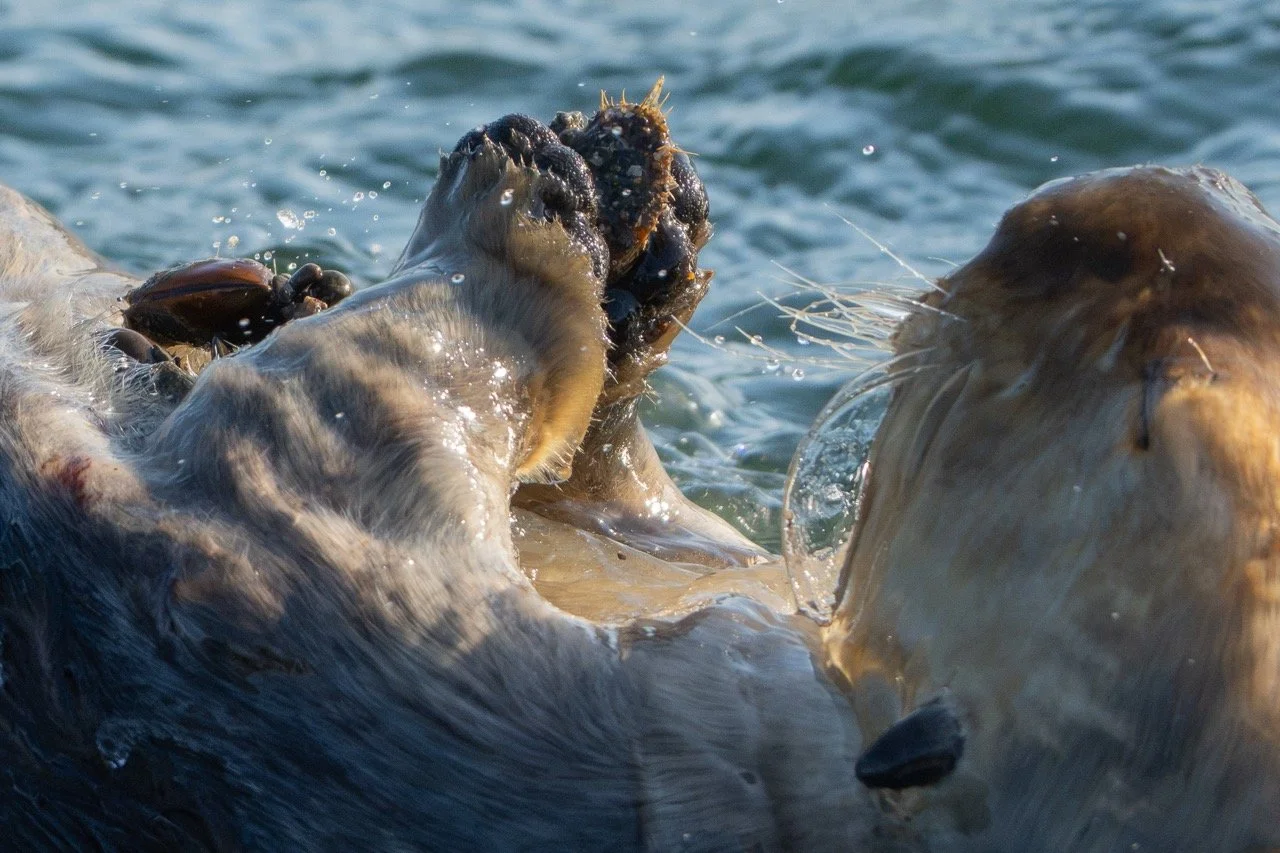
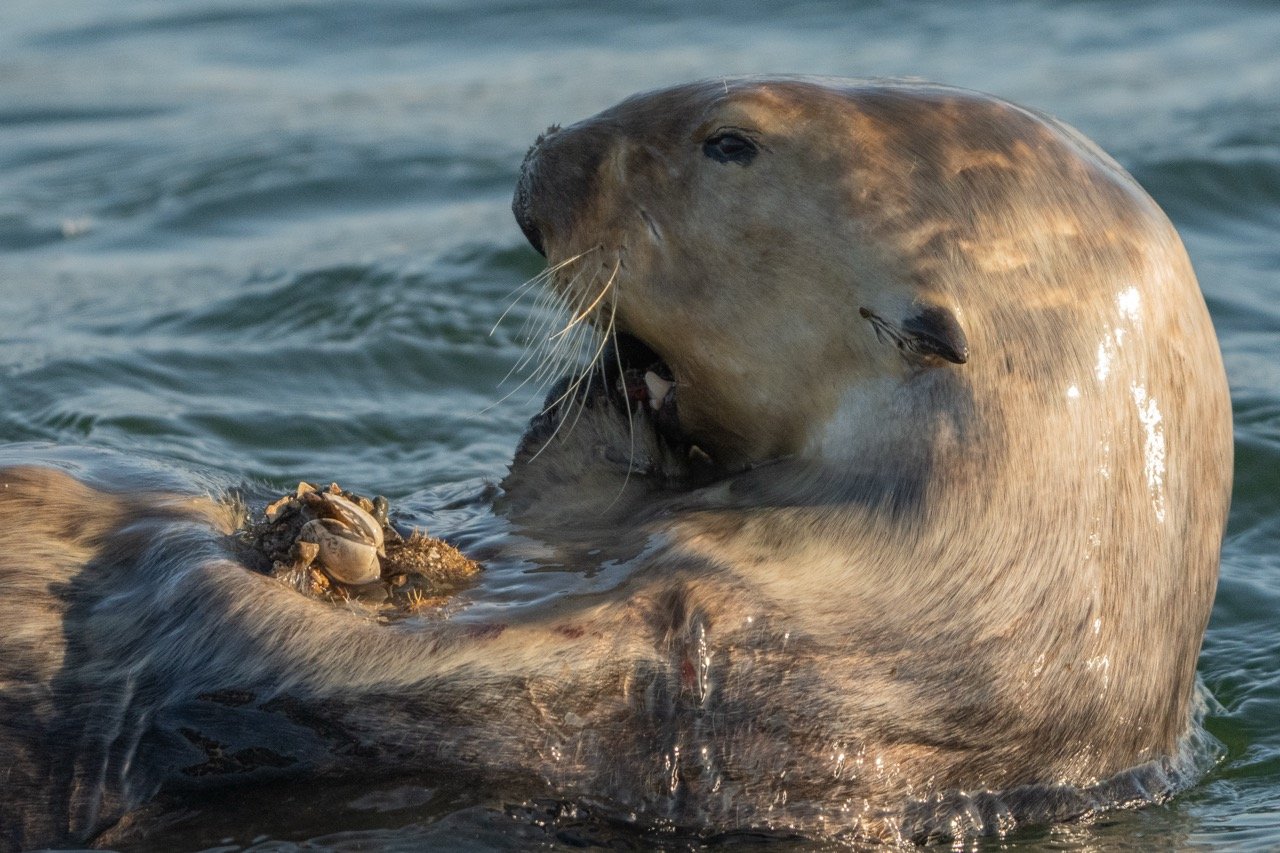
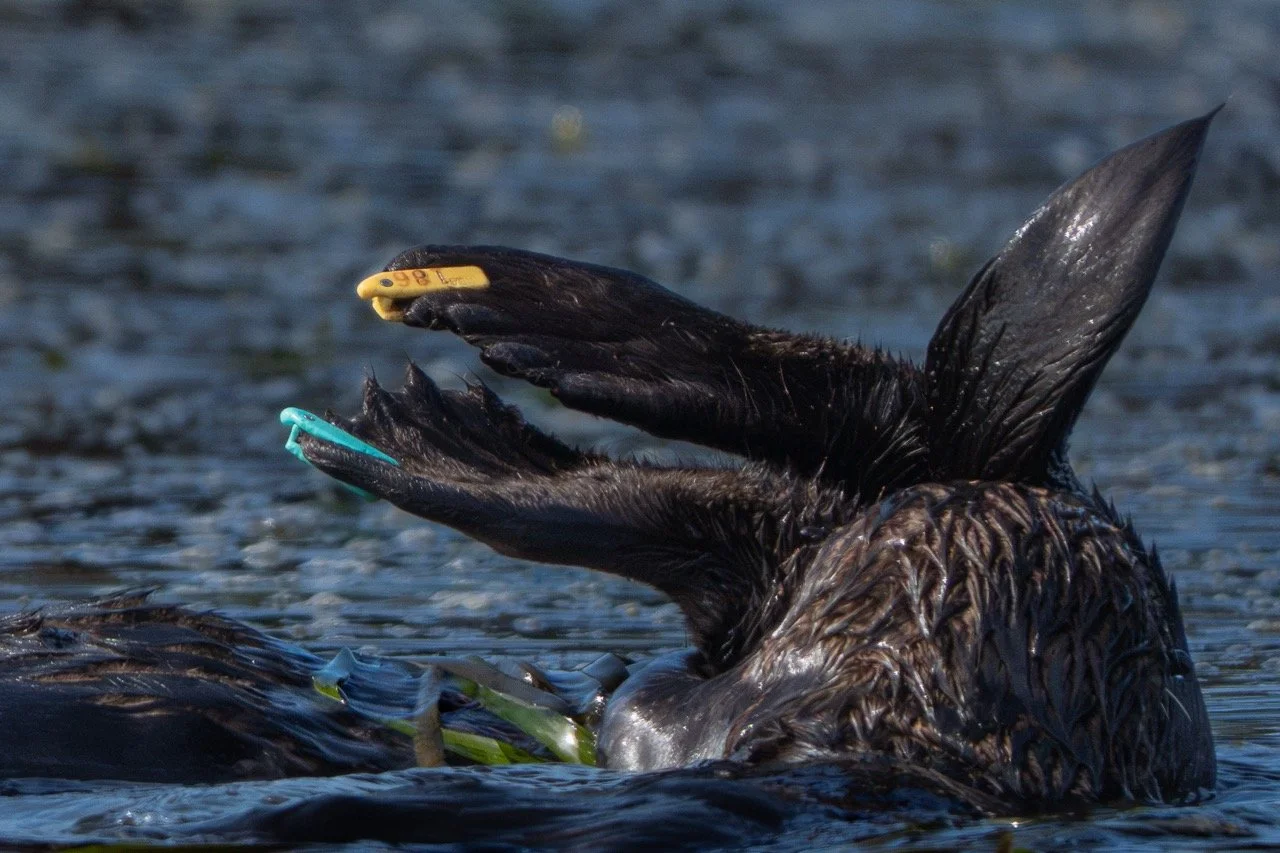
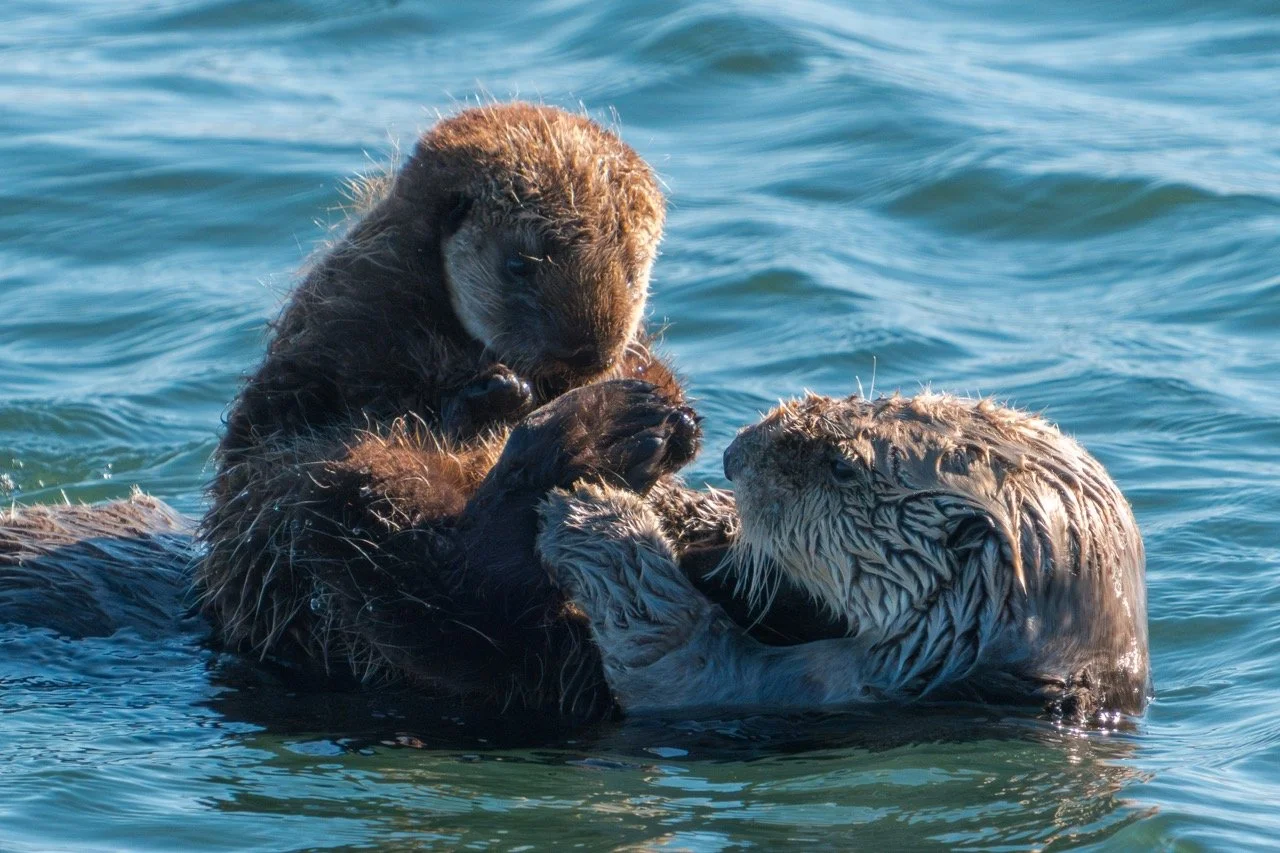
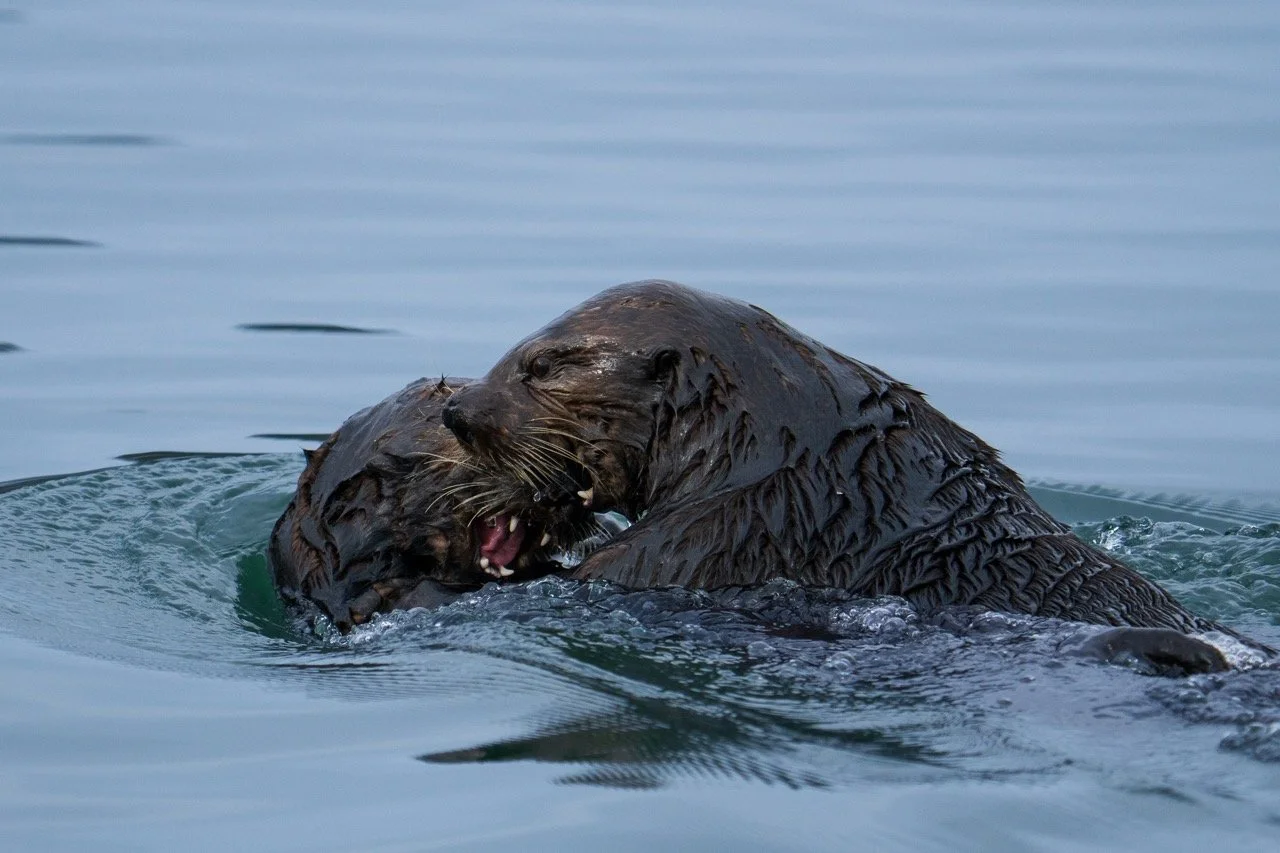
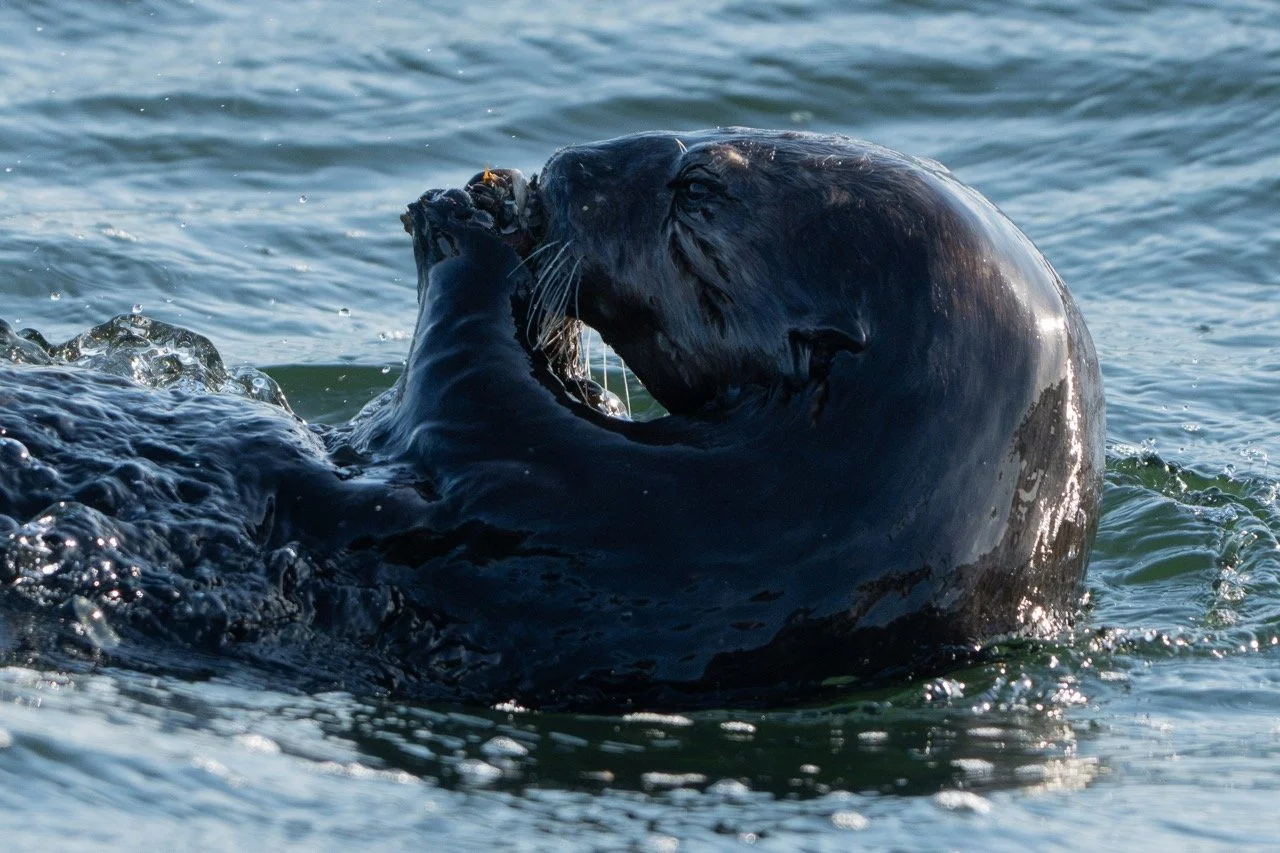
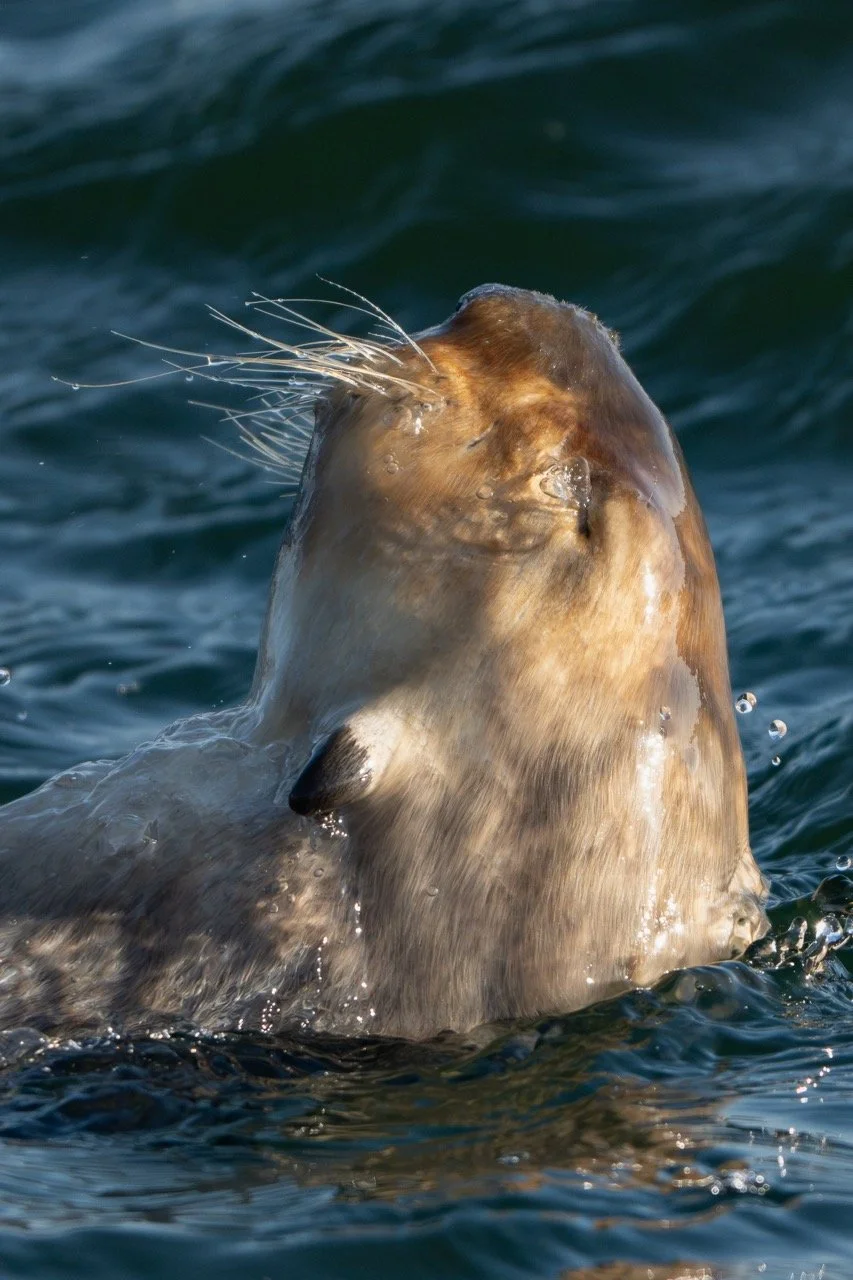
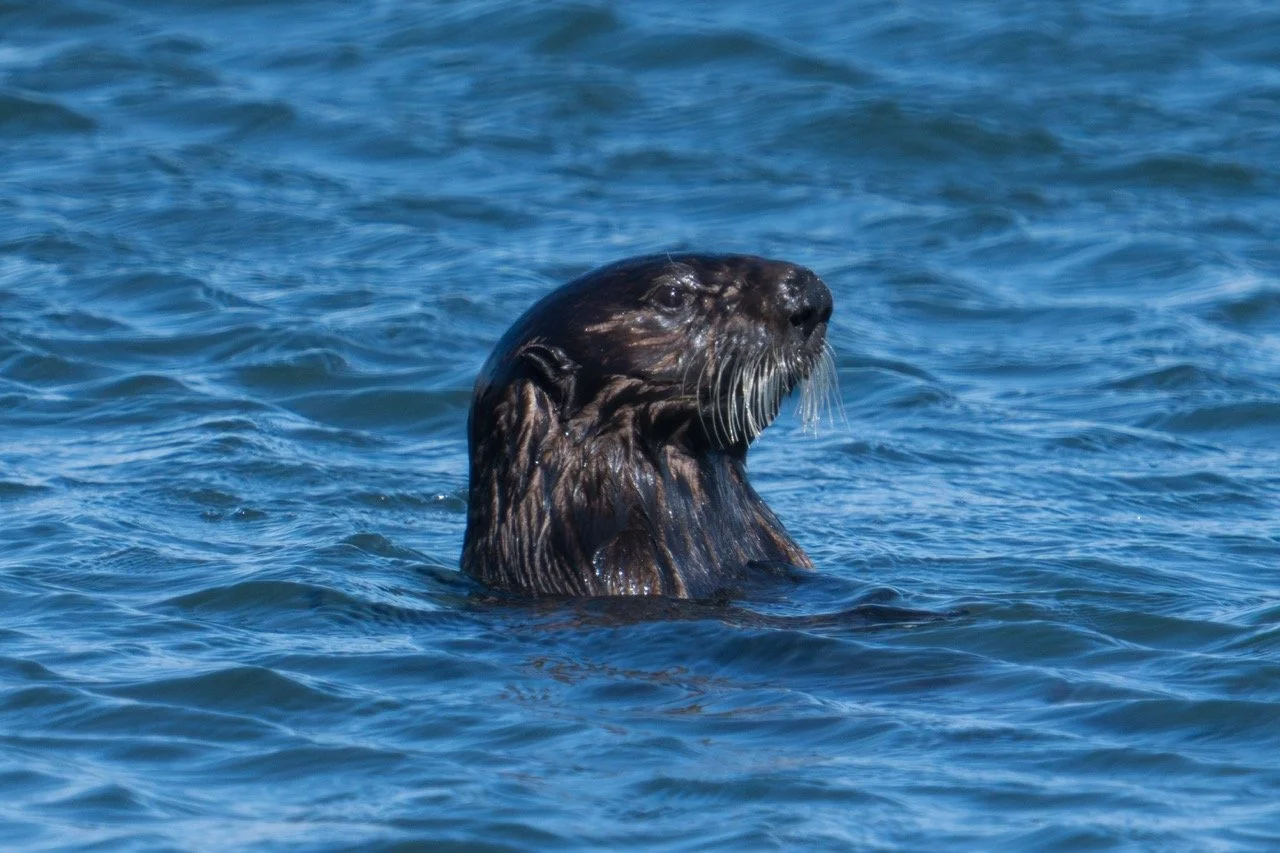
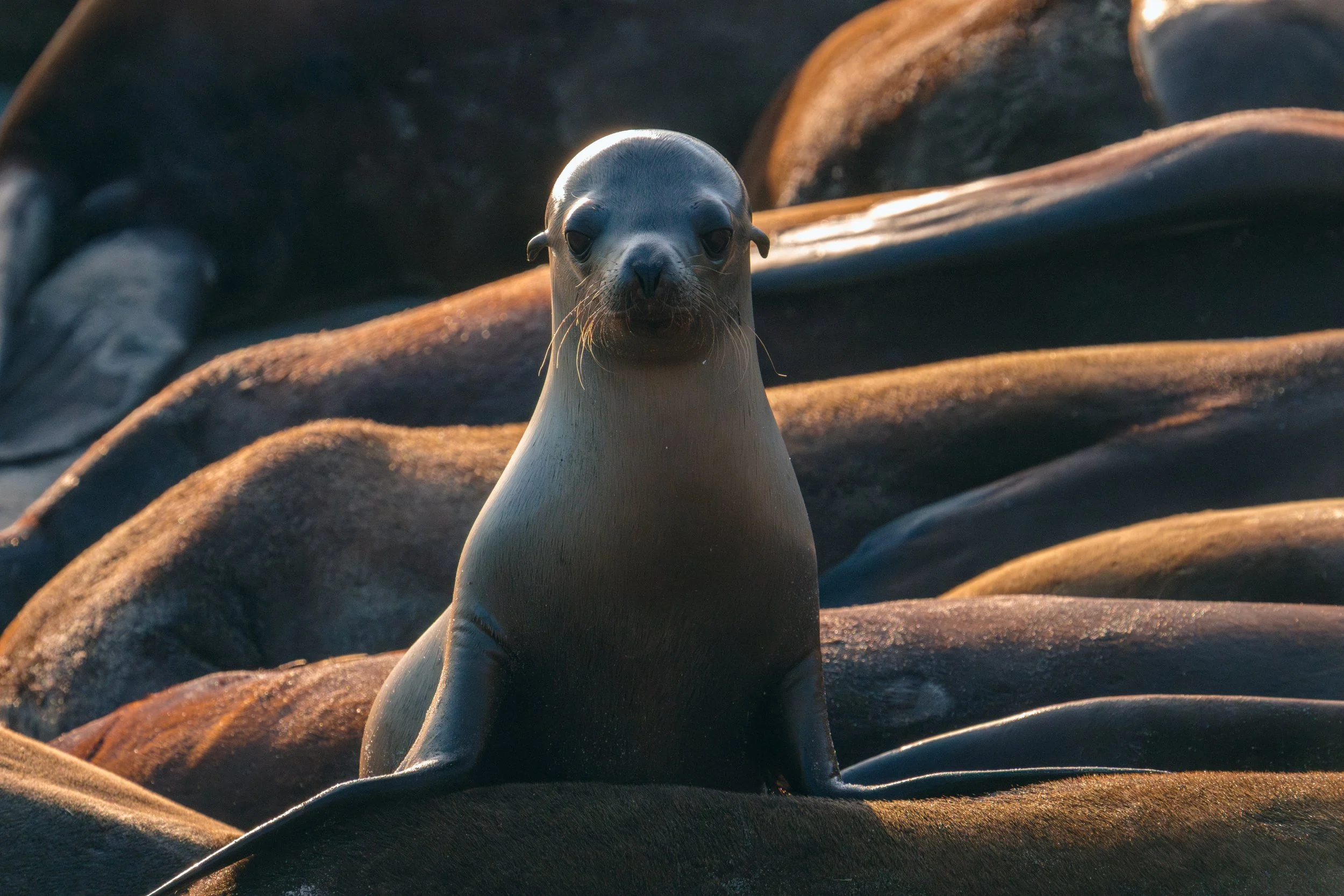
I donated this collection to the Sea Otter Awareness Week 2026 organizers for the week's media kit, with images from Morro Bay and Elkhorn Slough. Not every image made the final kit, so these are my favorites from the full set. All photos on this page have been downresed for faster web loading. You can click on any image for an expanded view. Full-resolution files are available for licensed archival or professional use; please contact me for a rate sheet and access.

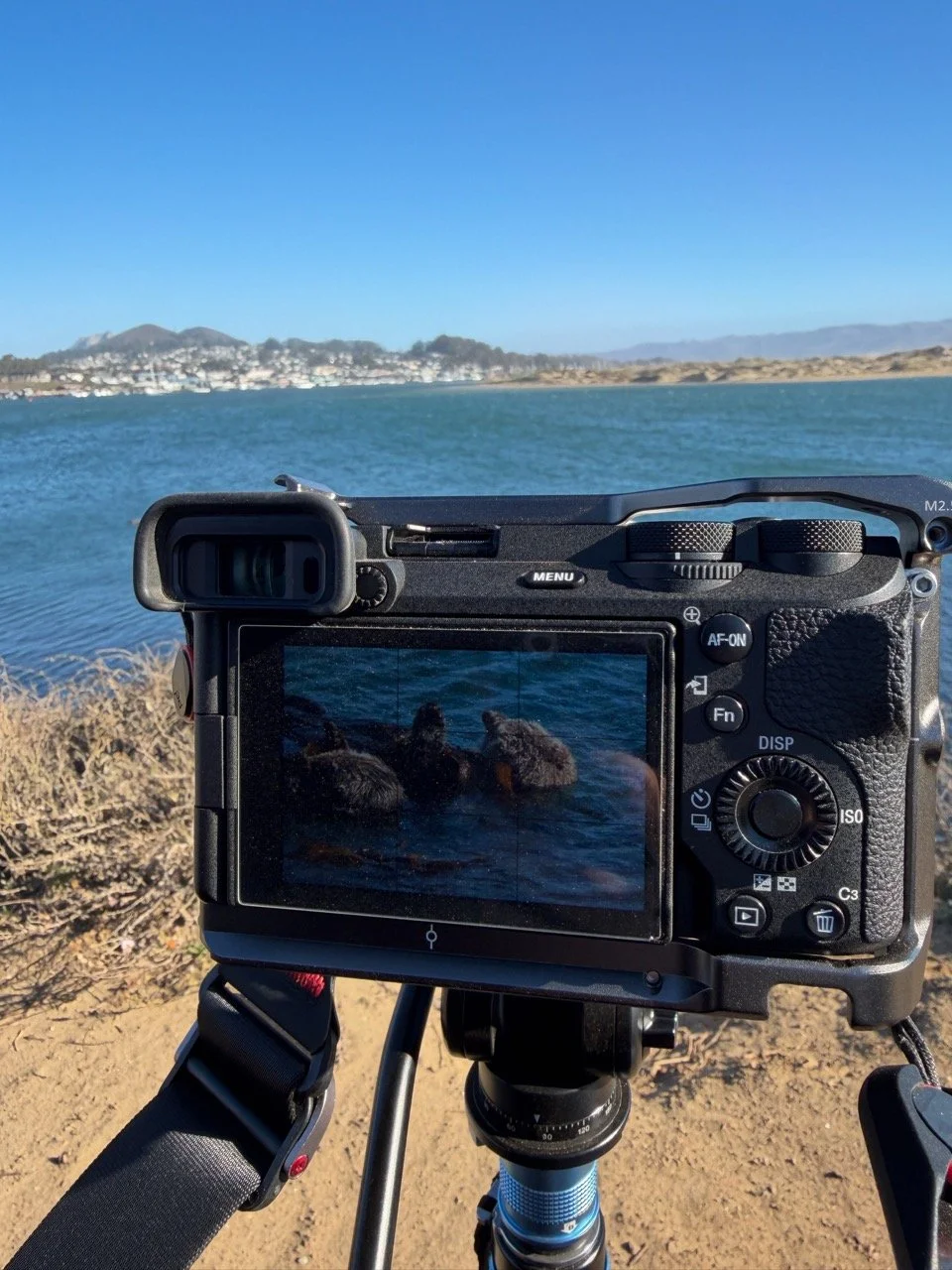
Ethical Documentation: Each image in this gallery was documented following our Admire from Afar ethical wildlife photography methodology. By utilizing professional telephoto lenses and maintaining a respectful distance, we ensure that every animal remains undisturbed and unaware of our presence. We never use baiting or interference; these visuals are a genuine, non-intrusive record of natural behavior.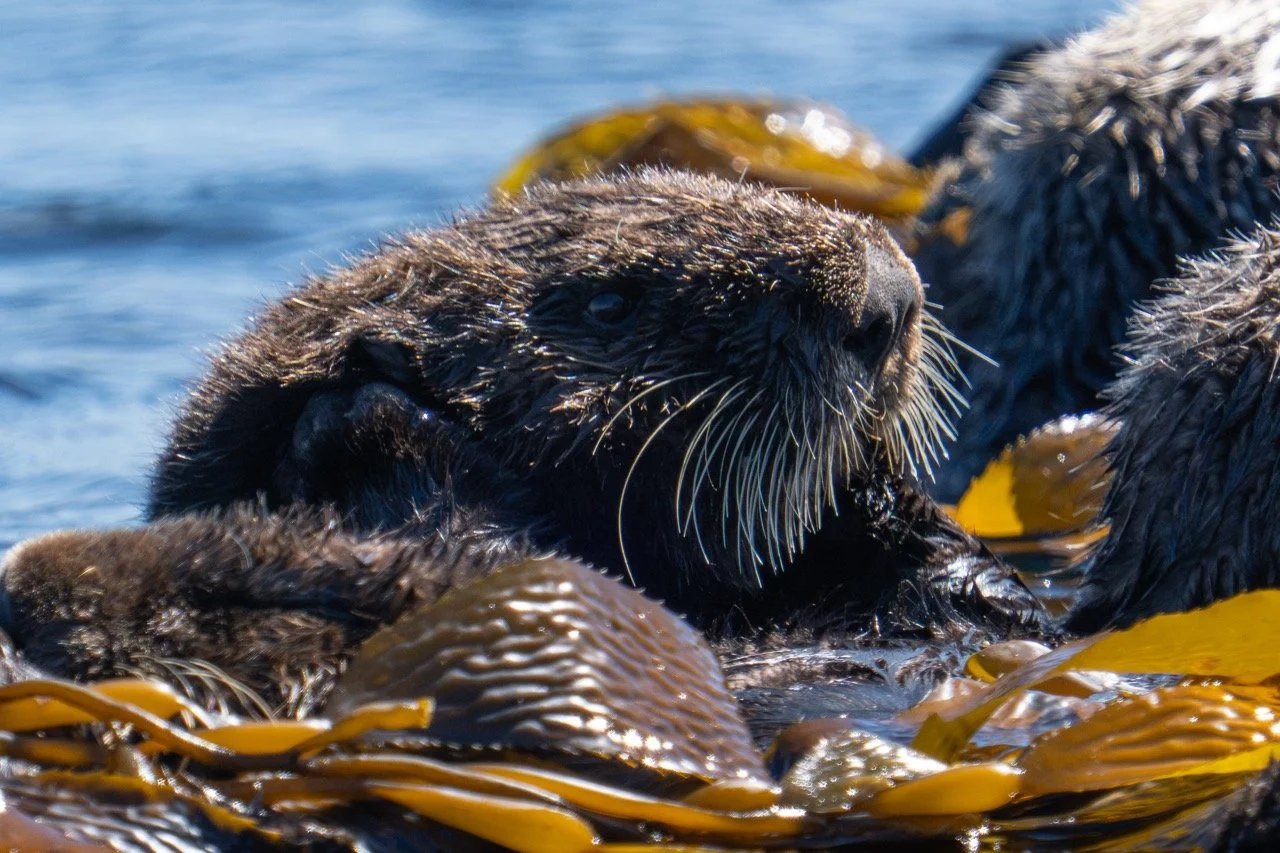
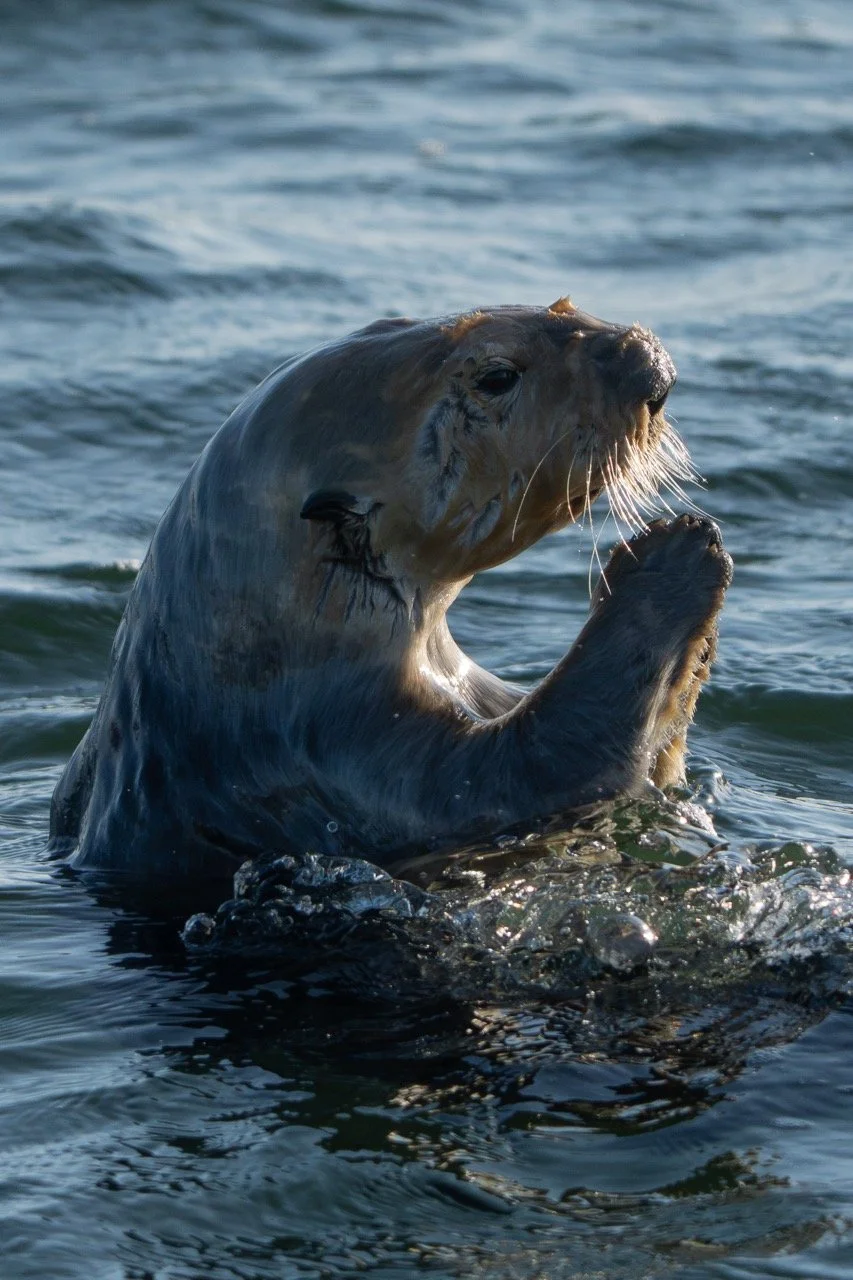
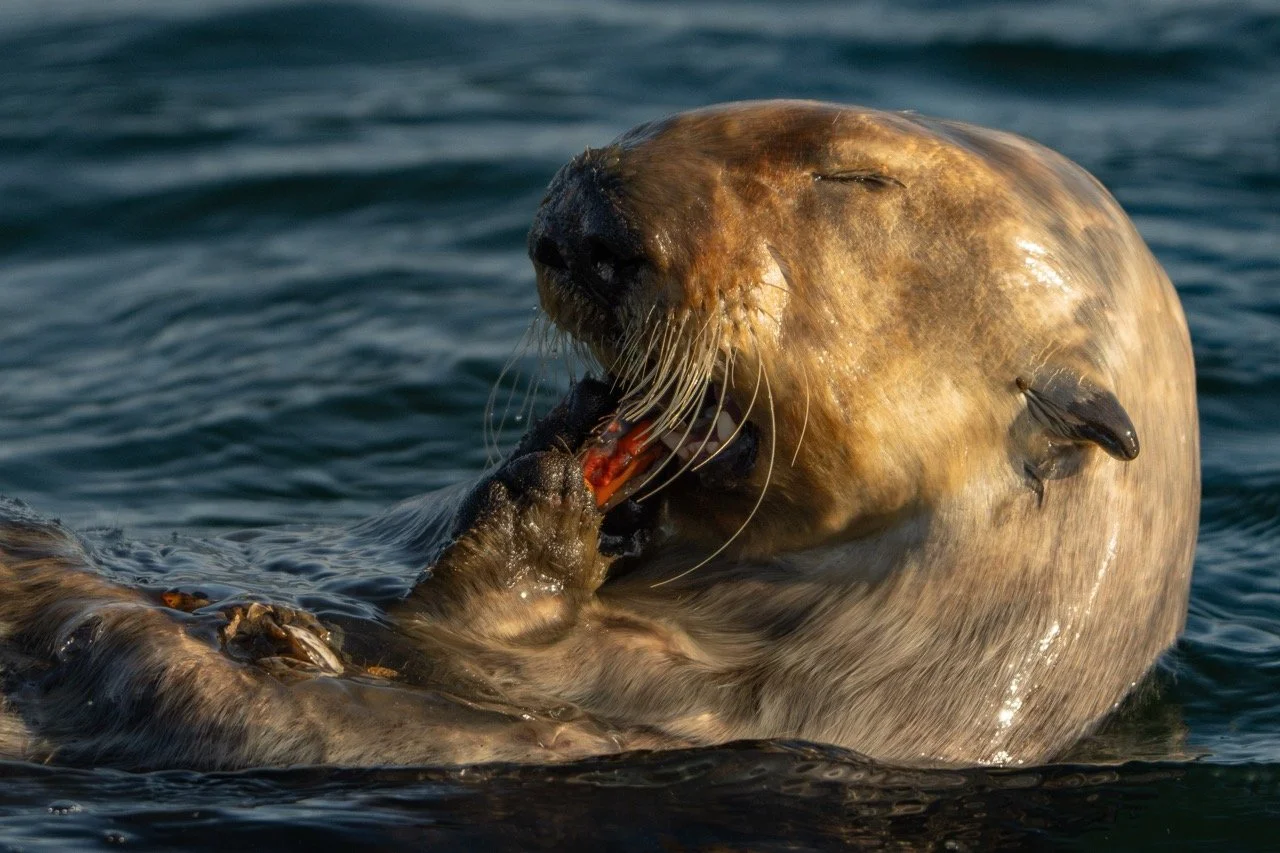
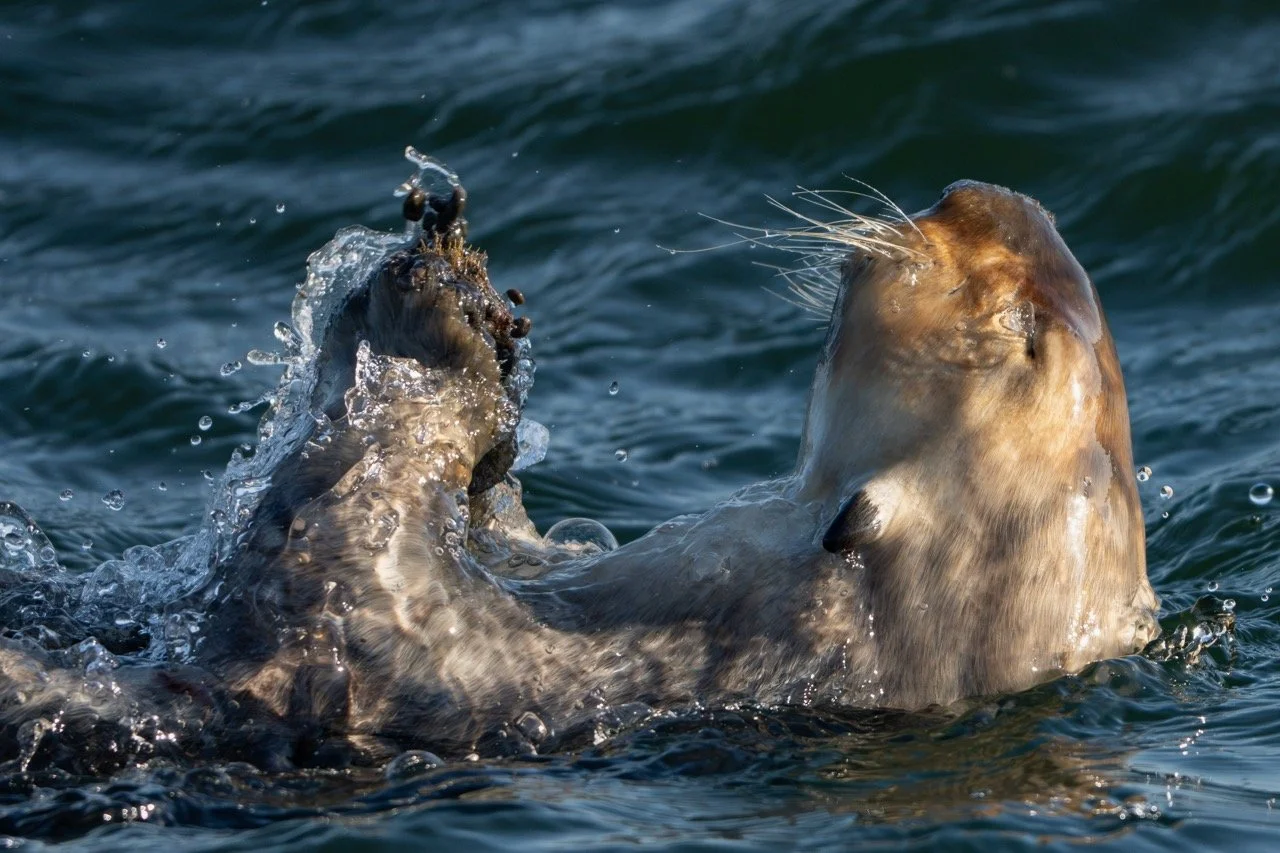
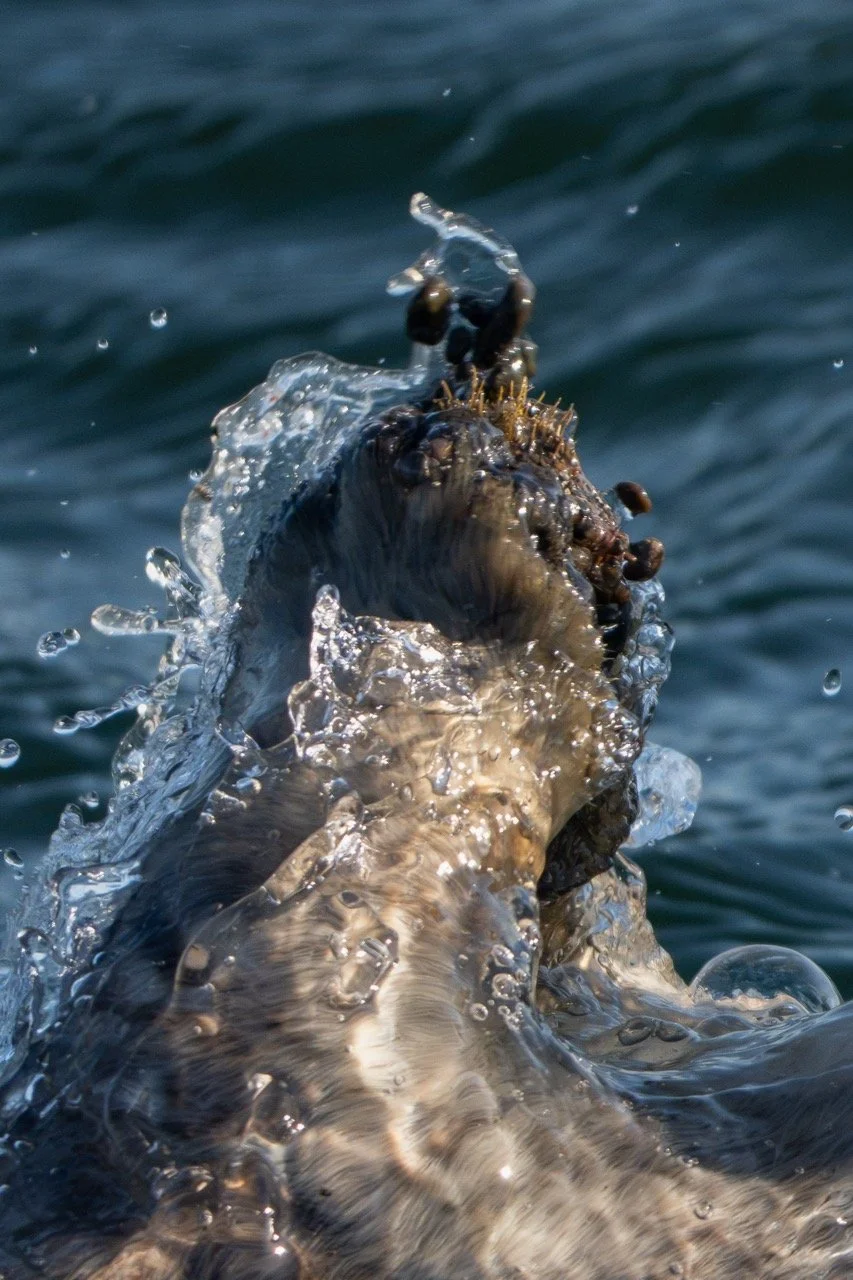
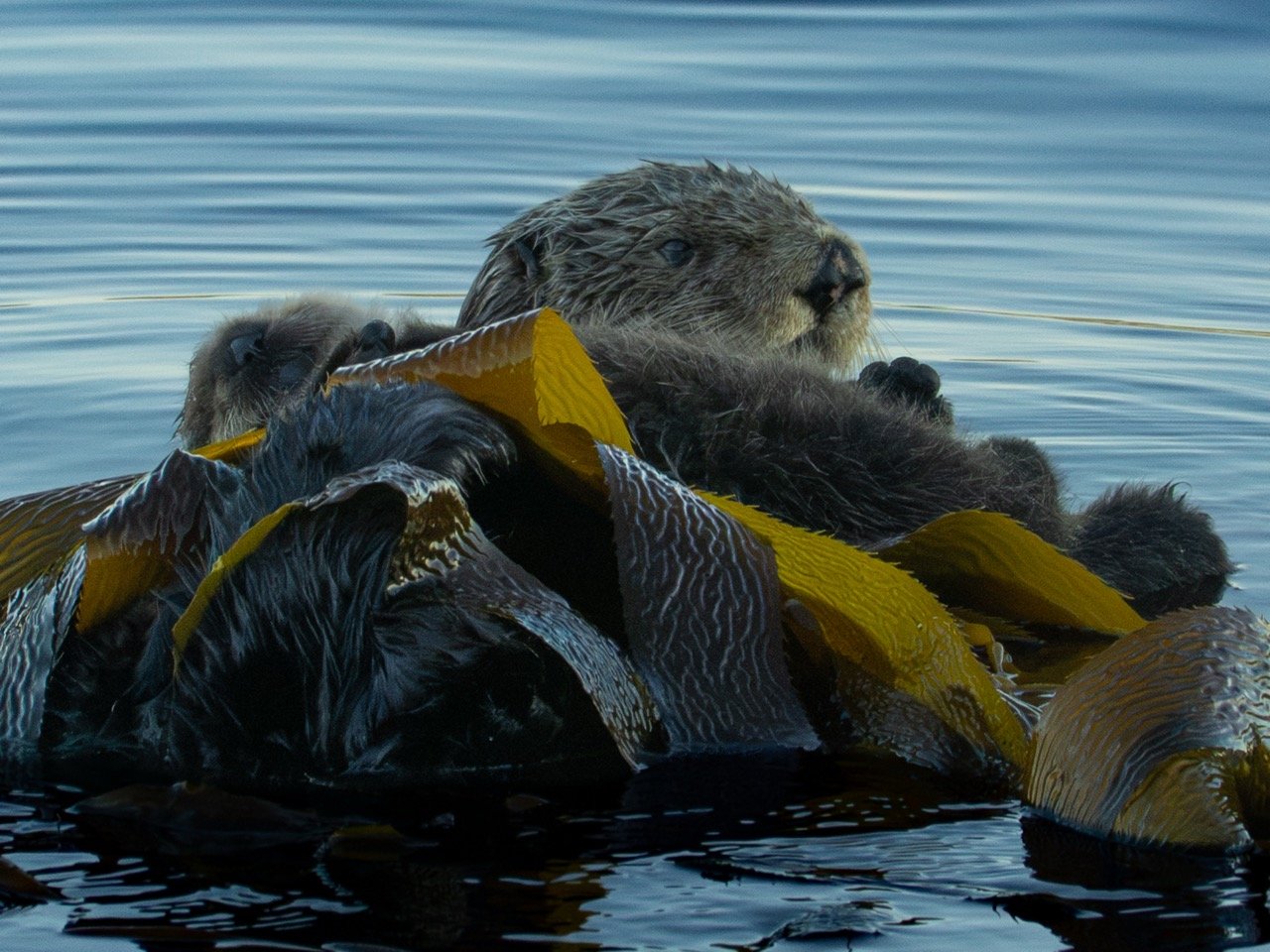
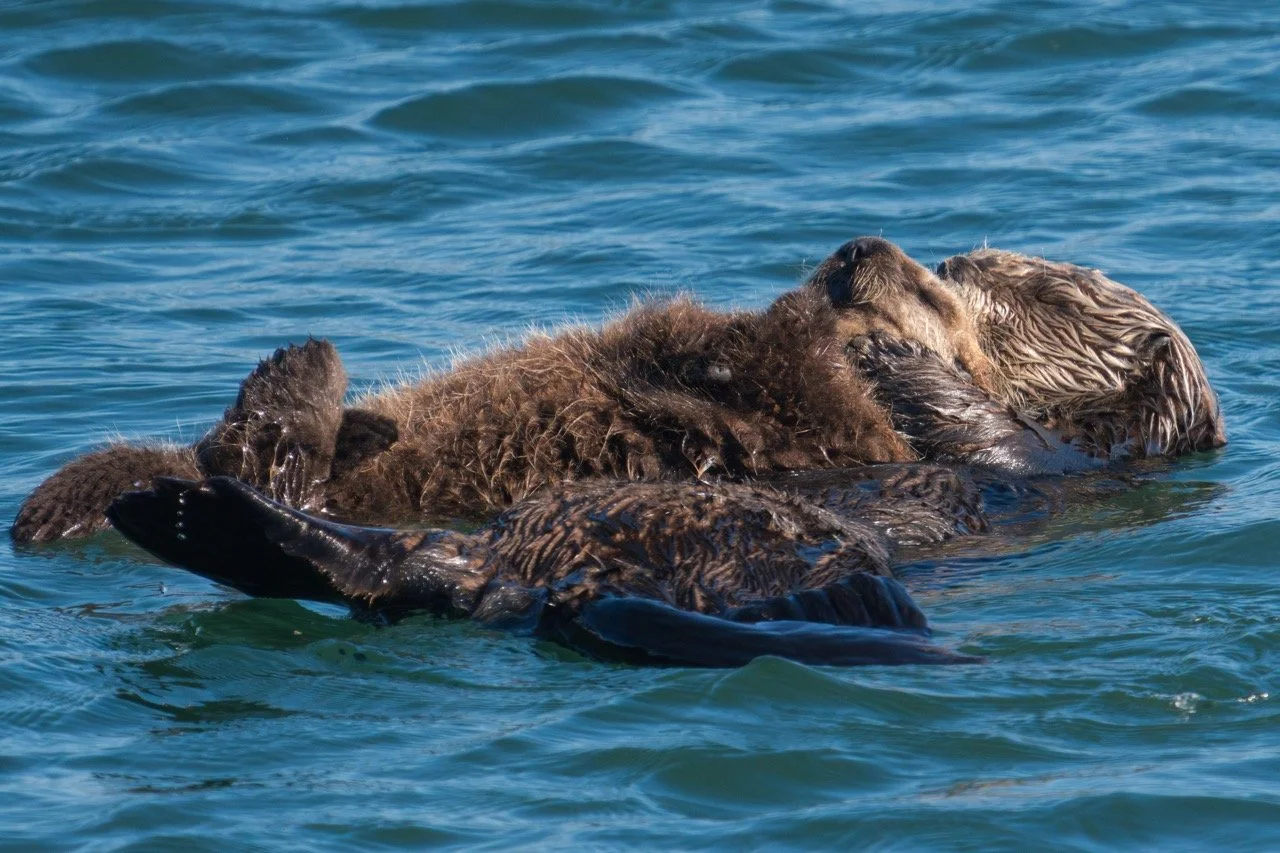
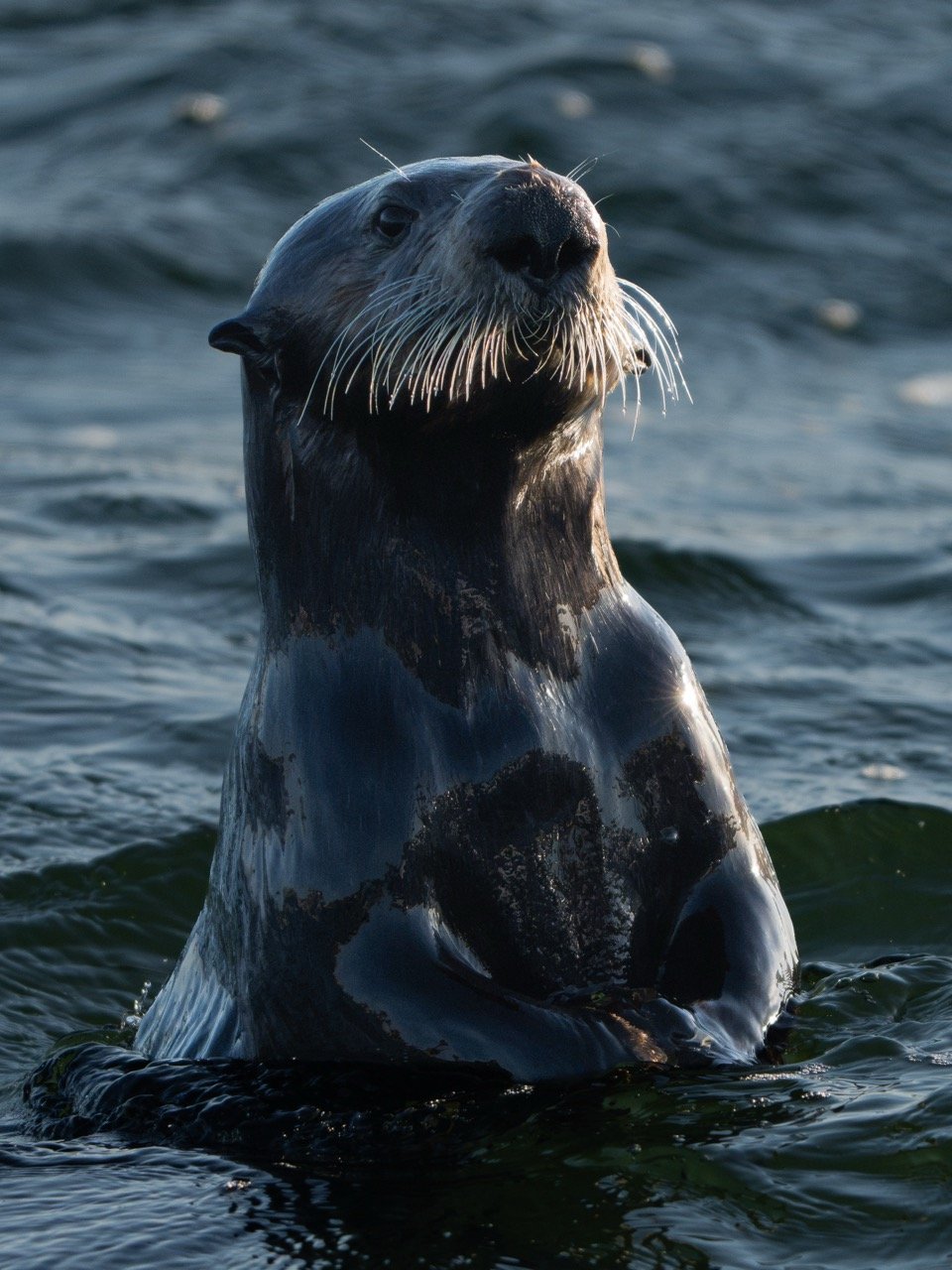
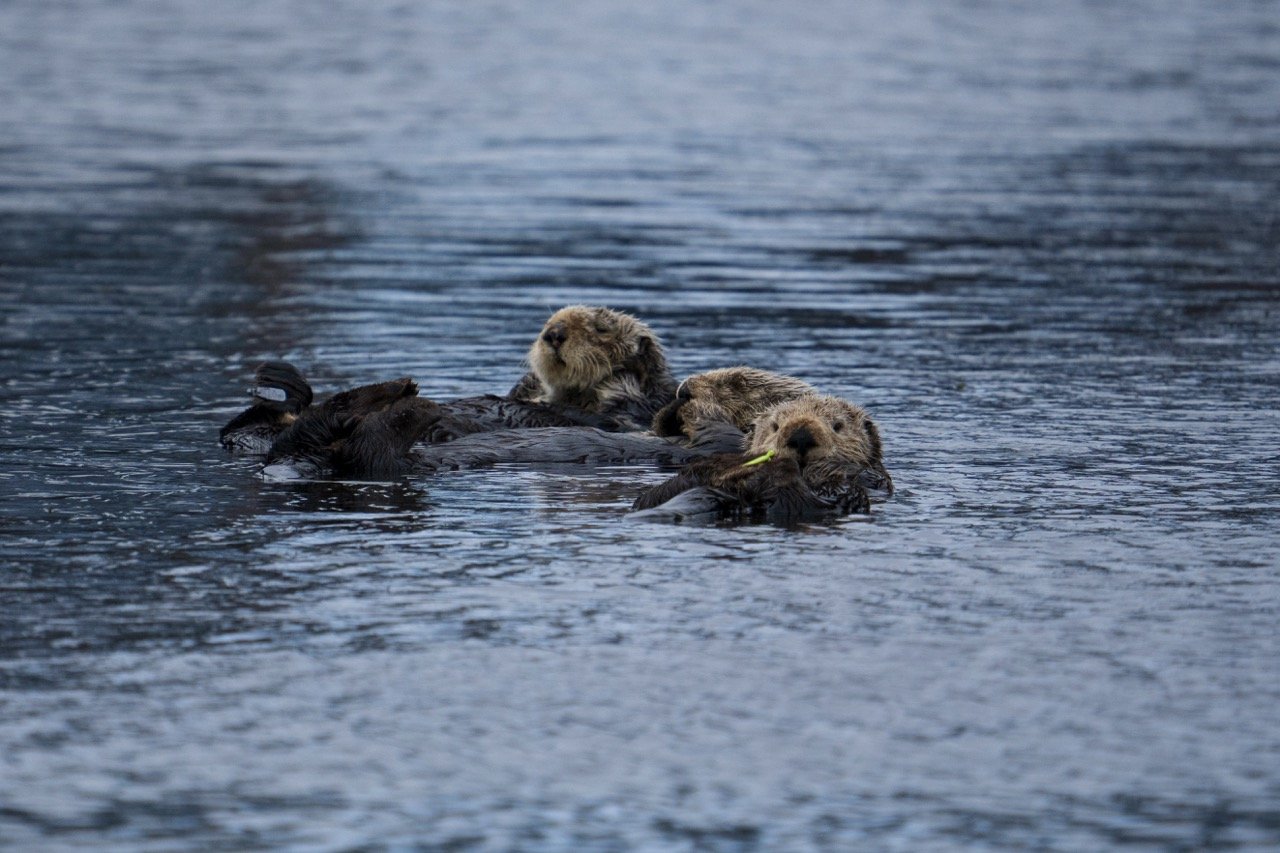
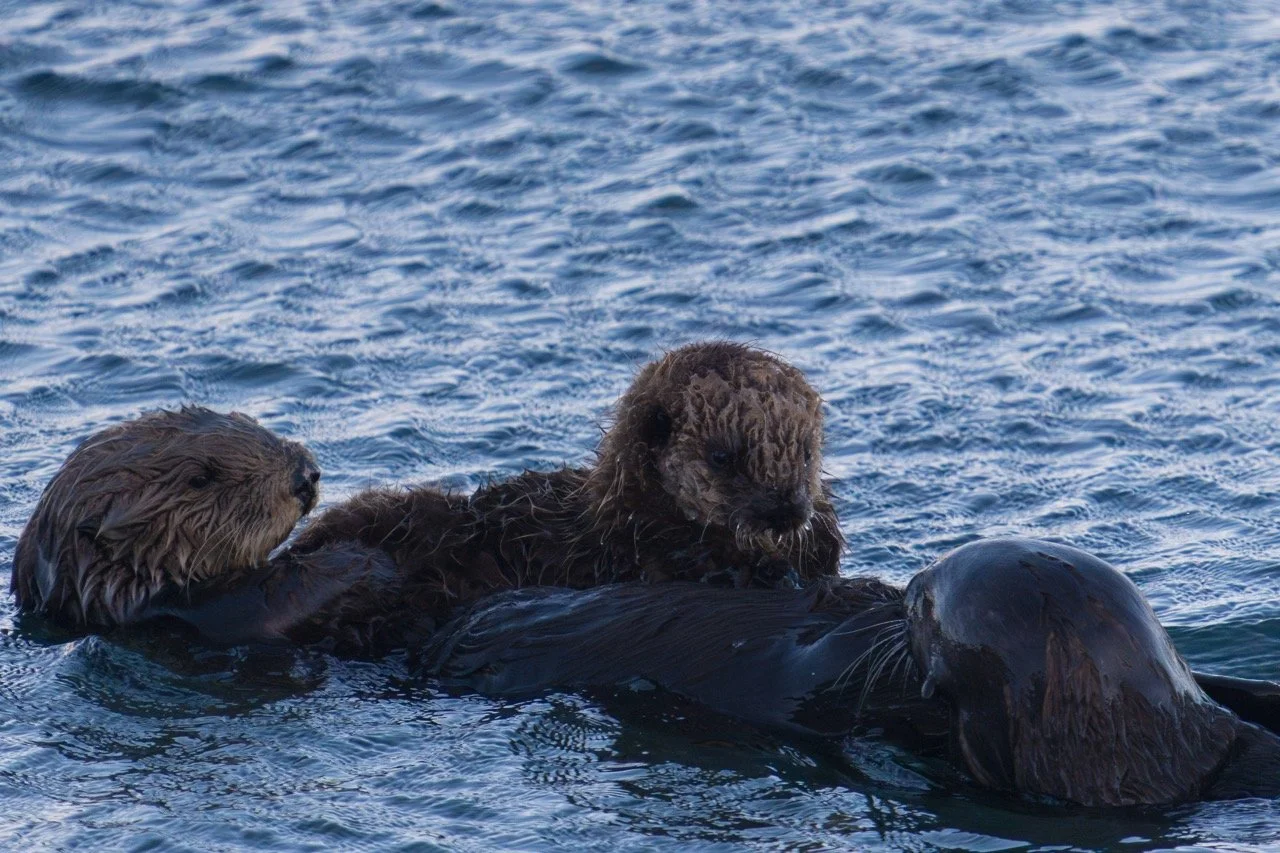
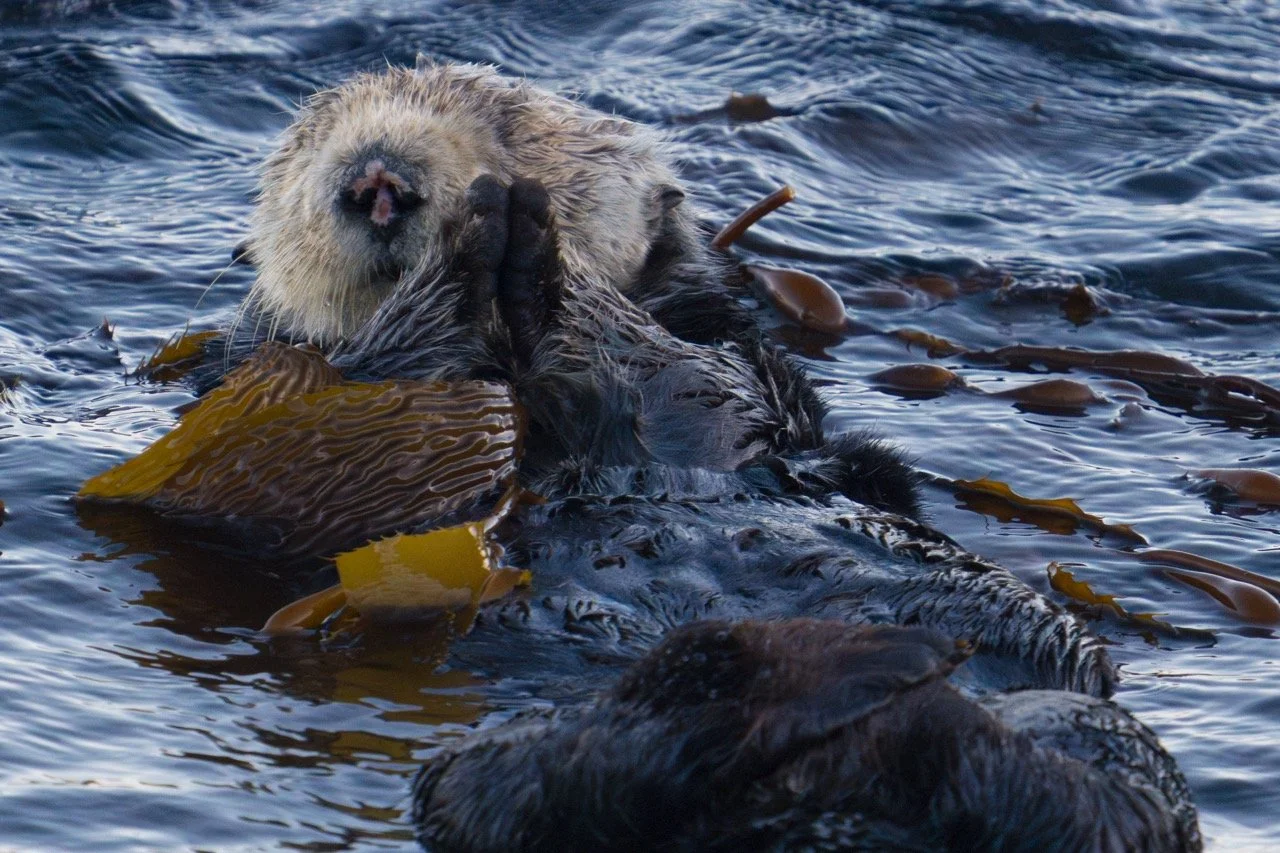

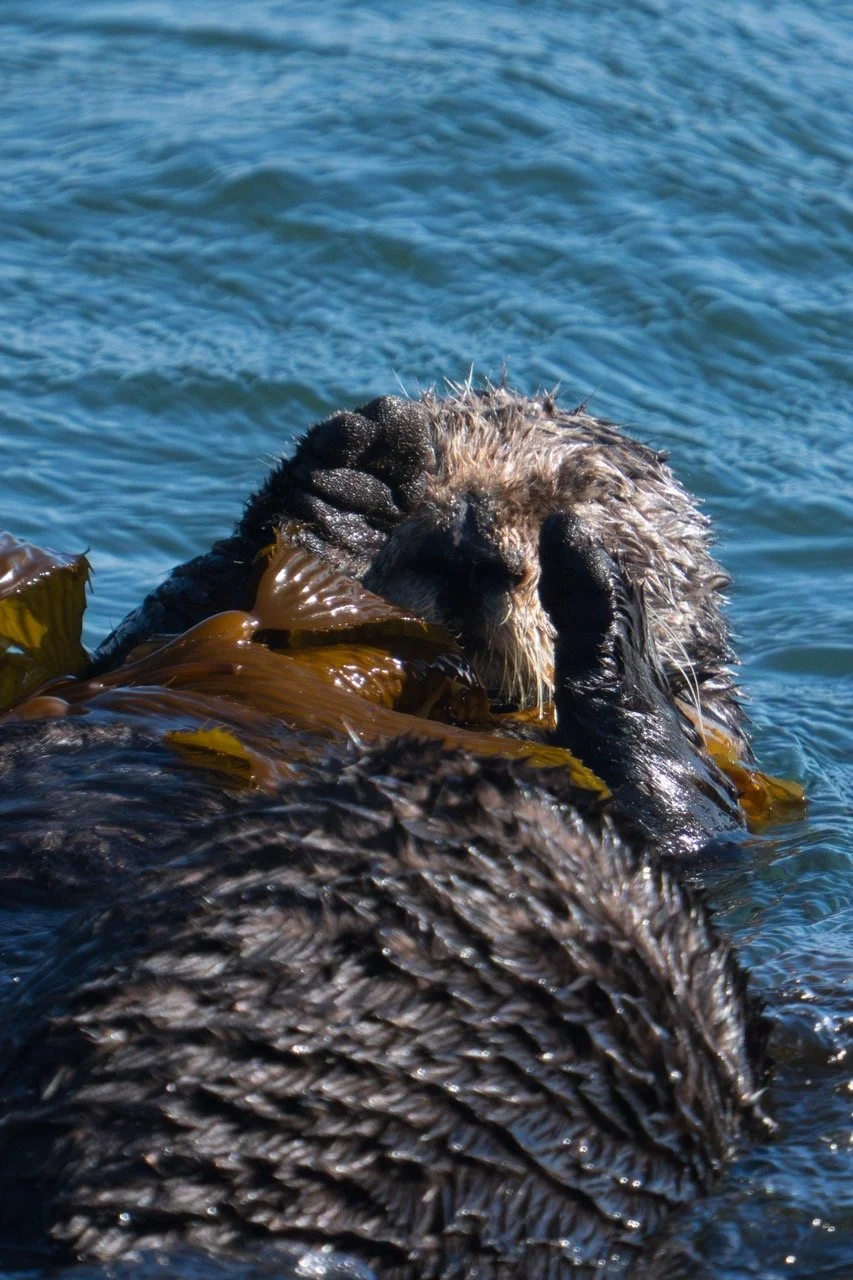
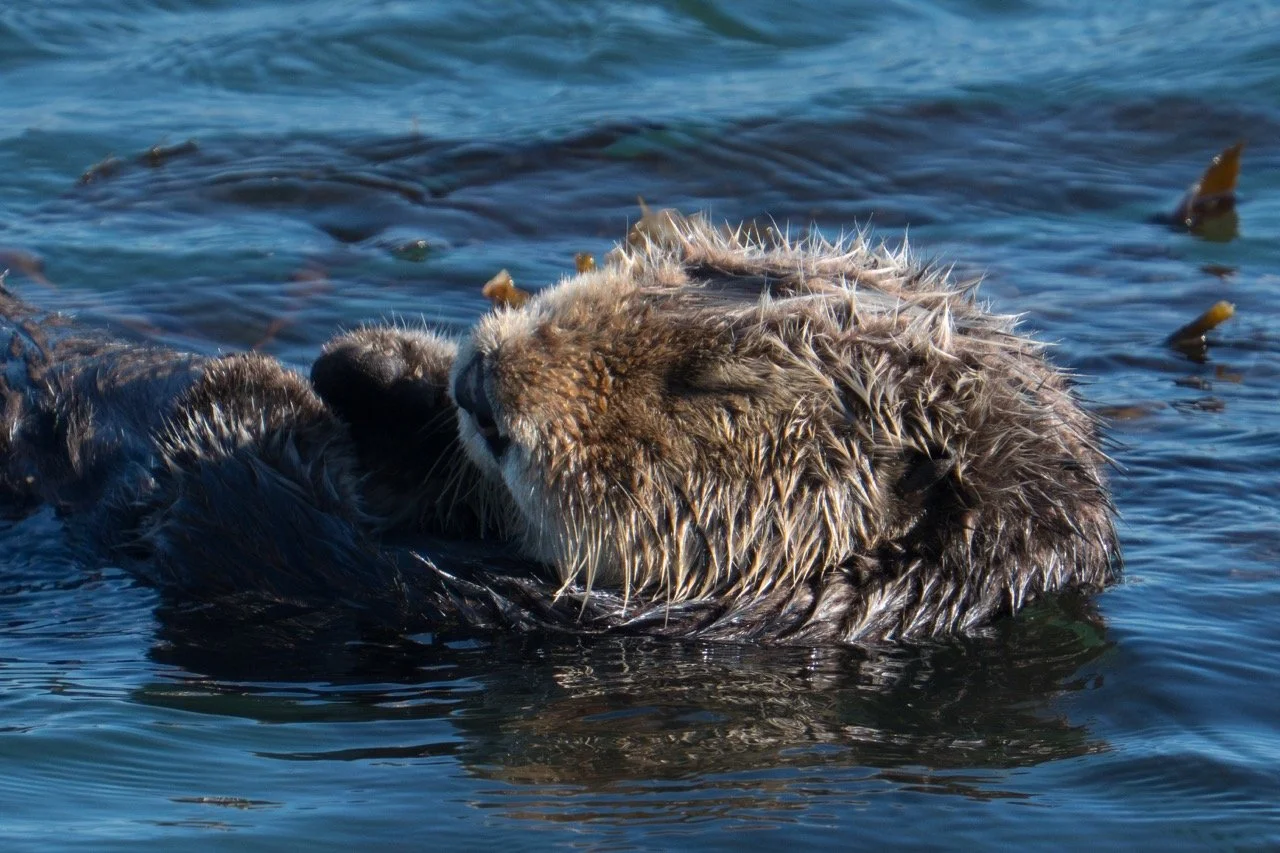
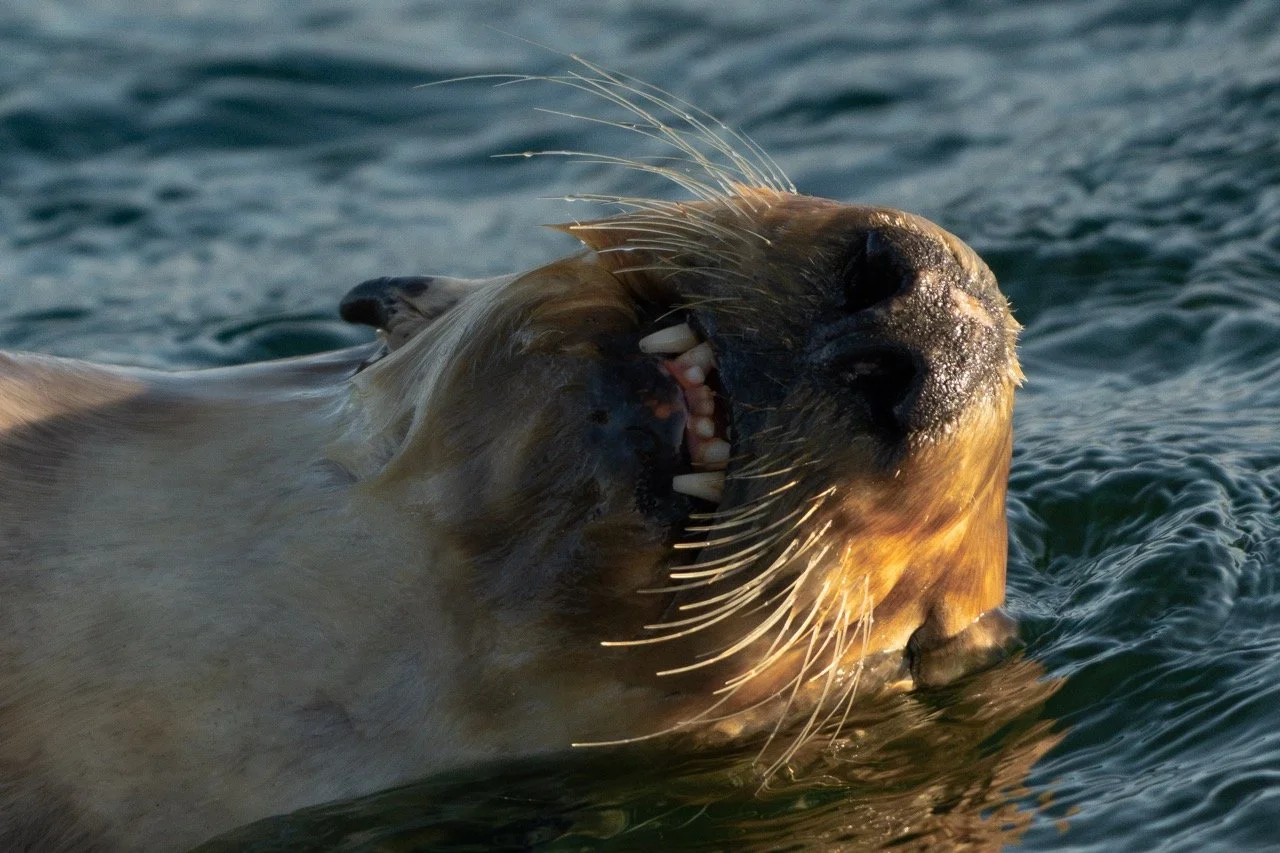
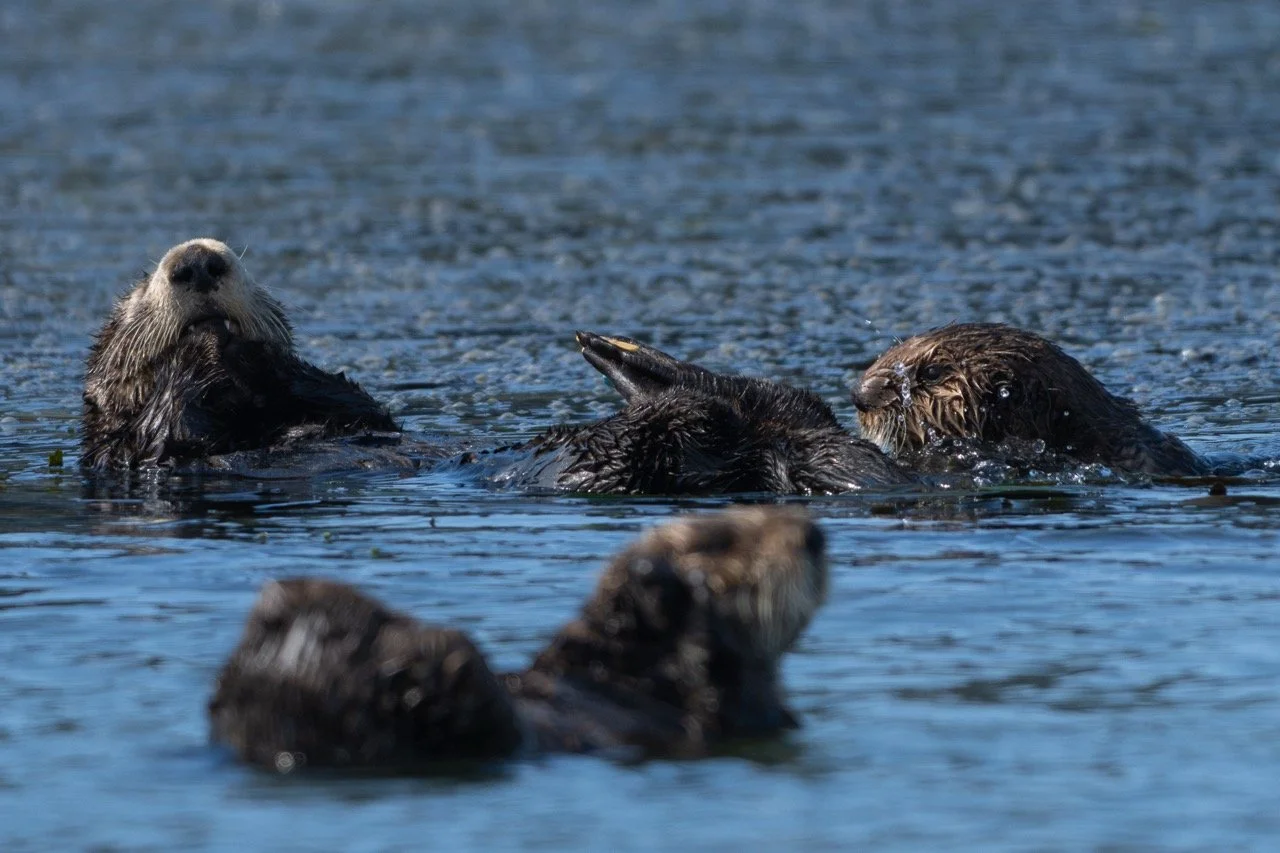
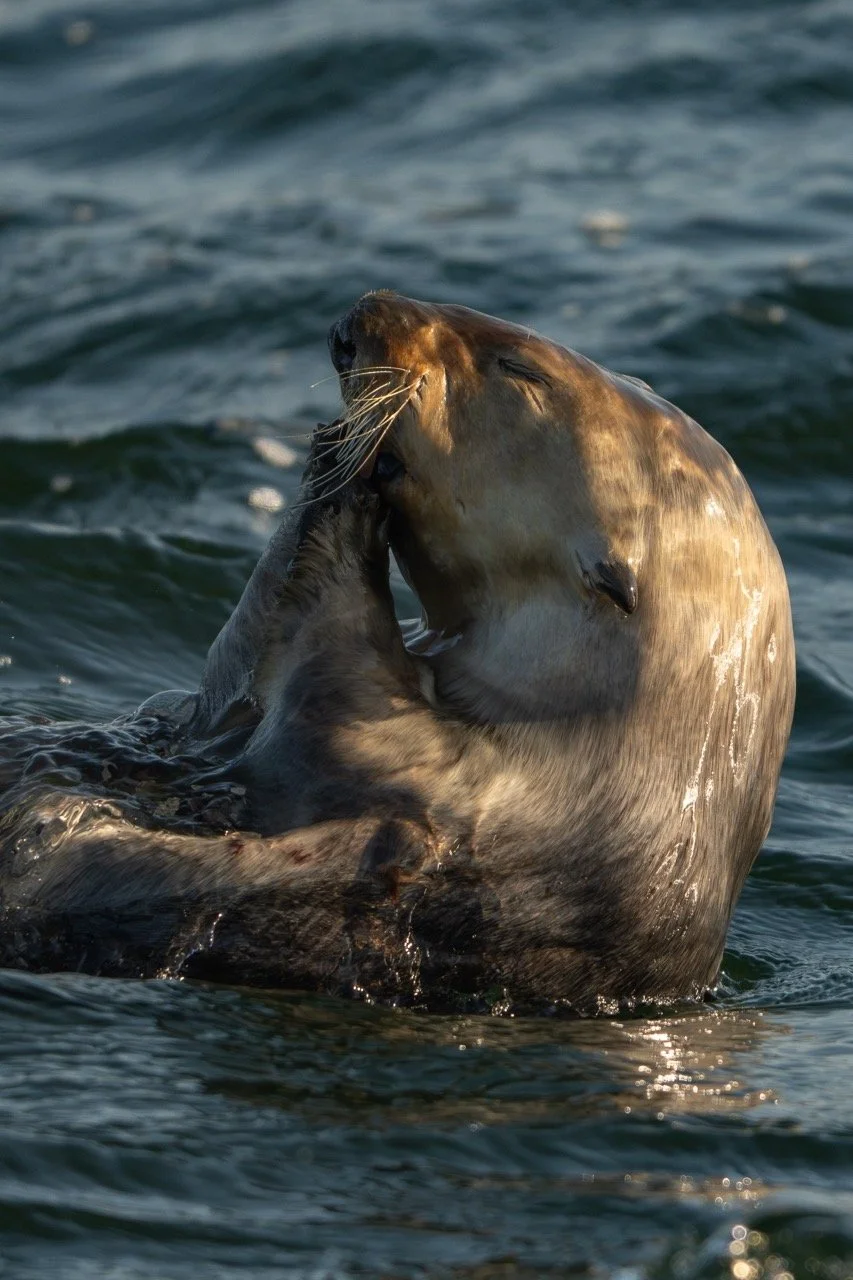



This year's Sea Otter Awareness Week runs September 20 to 26, and this post has the full lineup of events and viewing stations, from California to Oregon. It closes with my favorite images from the collection I donated to the week's organizers.